

Have you ever wondered how to create the perfect atmosphere in your aquarium? The right lighting can make all the difference, especially when it comes to using blue light. It’s not just about aesthetics; blue light plays a crucial role in the health of your aquatic life and plants.
Key Takeaways
- Enhances Aesthetics: Blue light brings out the vibrant colors of fish and plants, creating a visually stunning aquarium environment.
- Supports Plant Growth: Utilizing blue light stimulates the photosynthesis process in aquatic plants, promoting healthy growth.
- Mimics Natural Conditions: Blue light replicates natural underwater conditions, making fish feel more comfortable and active, especially during twilight hours.
- Seasonal Adjustments: Tailor blue light usage according to seasonal changes to align with natural biological rhythms and encourage balanced aquatic life.
- Choose the Right Fixture: Consider LED and fluorescent options based on efficiency, light quality, and the specific needs of your aquarium.
- Moderation is Key: Limit blue light exposure to prevent fish stress and ensure a healthy balance of light wavelengths for both fish and plant growth.

Suitable for tank length: 8"-12". Product dimension: 7.5”Lx0.7”D.
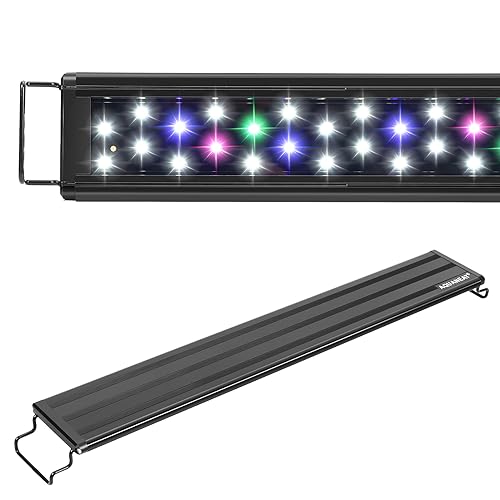
Work best on 5 gallon tanks with 16 inches long; with two extendable brackets, this light also fits for fish tank from 16 inch to 20 inch long

Slim Dynamic Design, Illuminate Your Aquarium with Dual Lights --- Your java plant, marimos, banana plants, snails, critters, betta fish, and other fish will thrive under our powerful 60 Hz aquarium light. You can plug these daylight lights into a timer and have them illuminate your tank as and when you decide.
Understanding Blue Light in Aquariums
Blue light plays a crucial role in aquariums, affecting both the visual appeal and the well-being of your fish and plants. Understanding its benefits and effects can help you make informed decisions about your aquarium lighting.

Simulating 24/7 Natural Light Cycle: Our aquarium light astonishingly somulate the day-to-night cycle of natural light. From the warm morning sunshine to the rich spectrum of noon, and the gentle blue light of the evening, this lighting method provides your aquarium with an immersive, nature-like experience

New Version: Currently the old and new versions are shipped randomly, the product is only a difference in the appearance of the bulb, all the function is the same. Please do not worry if you receive a round bulb.

★[DIY MODE]: Time, Colour and Brightness 3 setting choose. Timing (Timer control key): 3 choices timer running for 6 hours, or 10 hours, or 12 hours; Brightness/On-Off key: 10 level brightness and Switch function. Colour(W/B key): 3 colour modes choose, All lights on, White/Red/Green/Pink, Only Blue
Benefits of Blue Light
- Enhances Coloration: Blue light accentuates the vibrant colors of fish and aquatic plants, creating a visually stunning environment.
- Stimulates Plant Growth: Many aquatic plants thrive under blue light, using it effectively in photosynthesis.
- Improves Viewing: Blue light can create a calming twilight effect, making it easier for you to observe your aquarium inhabitants during evening hours.
- Reduces Algae Growth: Active wavelengths in blue light can inhibit certain algal blooms, helping maintain a clean tank.
- Encourages Activity Levels: Fish tend to be more active during periods of blue light, showcasing natural behaviors like foraging and socializing.
- Mimics Natural Habitats: Blue light replicates the natural underwater environment found in deeper waters, which supports the comfort of certain species.
- Supports Biological Rhythms: Many aquatic organisms rely on light cycles to regulate their behavior. Blue light can help maintain their natural circadian rhythms.
- Promotes Health: Blue wavelengths can increase the production of beneficial compounds within fish, contributing to overall health and vitality.
Appropriate Times to Use Blue Light
Using blue light in an aquarium enhances both aesthetics and aquatic life health. Understanding when to use blue light is crucial for optimizing your aquarium’s environment.
Day vs. Night Usage
Use blue light during the day to promote plant photosynthesis. Combining blue light with white light creates a balanced spectrum, boosting growth and vibrant colors in fish. Activate blue light during early morning or late afternoon to mimic natural sunrise and sunset, creating an inviting atmosphere.
At night, blue light can simulate moonlight, encouraging natural behaviors in fish. Using blue light during the night aids in nighttime viewing without disturbing fish, providing a tranquil ambiance. Limit this usage to a few hours to avoid overstimulating your aquatic life.
Seasonal Considerations
Adjust blue light usage with seasonal changes. During spring and summer, increase blue light duration to reflect longer daylight hours, promoting plant growth and enhancing fish activity. In contrast, reduce exposure in fall and winter, resembling shorter days, which allows for natural biological rhythms to adjust.
Be mindful of local climate and humidity levels, as they influence water temperature and light penetration. Observing seasonal patterns helps maintain a healthy balance between flora and fauna in your aquarium throughout the year.
Types of Blue Light Fixtures
Blue light fixtures come in various forms, each serving unique purposes and preferences. Choosing the right one enhances your aquarium’s beauty and supports aquatic life.

CICHLID STICKS: Nutritionally-balanced diet for top- & mid-water feeding cichlids

AQUARIUM LIGHT: Easily convert an aquarium into a stunning home for your GloFish fluorescent fish.

Features vibrant LED lights with multiple color options to create the perfect ambiance for your aquarium environment
LED vs. Fluorescent
- LED Lighting: LED fixtures provide adjustable intensity and energy efficiency. They last longer, requiring less frequent replacement. LED lights also emit minimal heat, preventing temperature fluctuations, which keeps your fish comfortable. Many LED options offer customizable color settings, allowing you to fine-tune the blue light to suit your aquarium’s needs.
- Fluorescent Lighting: Fluorescent bulbs are often more affordable upfront. They deliver bright light and can effectively support plant growth. However, they typically have a shorter lifespan and produce more heat compared to LEDs. Fluorescent fixtures may require more frequent replacement and can lead to increased energy costs over time.
- Actinic Spectrum: This spectrum focuses on wavelengths between 400 nm and 500 nm. It enhances blue light’s effects, improving the coloration of your fish and accentuating coral fluorescence. It’s perfect for reef tanks and aquatic plants that thrive under intensified blue light.
- Full Spectrum: This option combines blue light with other wavelengths, promoting a well-rounded environment for both plants and fish. Full-spectrum lighting supports overall growth and showcases your aquarium’s diverse colors. It’s suitable for a general aquarium setup.
- Customizable Spectrum: Some modern fixtures have programmable spectrums. You can adjust light color and intensity throughout the day. This customization allows you to mimic natural habitats, enhancing the well-being of your fish and plants.
Select a fixture based on your aquarium’s needs and your aesthetic preferences. Proper lighting promotes a thriving ecosystem while beautifully displaying your aquatic setup.
Potential Risks of Blue Light
Blue light enhances aquarium aesthetics and supports the health of your aquatic environment. However, overexposure can lead to several issues.
Impact on Fish Behavior
Excessive blue light can cause stress in certain fish species. You might notice increased aggression or erratic swimming patterns when blue light remains on for extended periods. Some fish require dark periods for proper rest and reduced stress. Limit blue light exposure to a few hours during the day and avoid leaving it on all night. By doing so, you encourage their natural behaviors and promote overall wellbeing.
Effects on Plant Growth
While blue light aids photosynthesis, too much can hinder healthy growth in some aquatic plants. Certain species thrive under yellow or red light, relying on these wavelengths for optimal growth. When blue light overshadows these colors, it can lead to stunted growth or unhealthy plants. Monitor your plant species and adjust light spectrums to ensure all plants receive the light they need. Blending blue light with other wavelengths creates a balanced environment that supports diverse plant life in your aquarium.
Conclusion
Using blue light in your aquarium can truly transform the environment for both your plants and fish. By timing its use effectively you can enhance growth and create a stunning visual experience. Remember to mimic natural light patterns to keep your aquatic life happy and healthy.
Balancing blue light with other wavelengths is key to supporting diverse plant species and preventing stress in your fish. With the right approach to lighting you’ll not only enjoy a vibrant aquarium but also foster a thriving ecosystem that brings your underwater world to life. Happy aquascaping!
Frequently Asked Questions
What is the importance of blue light in an aquarium?
Blue light is crucial for enhancing the overall atmosphere of an aquarium. It supports the health of aquatic life and plants, stimulates plant growth, boosts fish coloration, and improves viewing conditions. Additionally, blue light helps reduce algae growth and encourages natural fish behaviors.
When should I use blue light in my aquarium?
Use blue light during the day to promote plant photosynthesis and combine it with white light for a balanced spectrum. Activate it during early morning and late afternoon for a natural effect. At night, limit blue light use to create a tranquil ambiance without overstimulation.
What types of blue light fixtures are available?
Common blue light fixtures include LED and fluorescent options. LEDs are energy-efficient with adjustable intensity and a longer lifespan, while fluorescent bulbs are more affordable but less durable. Consider specialized options like Actinic Spectrum for reef tanks or Full Spectrum for a balanced environment.
Can too much blue light be harmful to my fish?
Yes, excessive blue light can lead to stress in certain fish species, causing aggression or erratic swimming patterns. It’s advisable to limit blue light exposure to a few hours daily and avoid using it all night to promote fish wellbeing.
How does blue light affect aquatic plants?
While blue light aids in plant photosynthesis, overexposure can hinder the growth of some plants that prefer yellow or red light. It’s essential to monitor plant species and balance blue light with other wavelengths to create a thriving environment for diverse plant life.
