

Are you thinking about adding some natural beauty to your aquarium with rocks? Choosing the right ones can be tricky. Not all rocks are safe for your fish and plants, and using the wrong type can lead to water quality issues or even harm your aquatic friends.
Key Takeaways
- Safe Rock Types: Choose non-toxic rocks like granite, river rocks, lava rock, quartz, and silica stones to maintain a healthy aquarium environment.
- Rocks to Avoid: Steer clear of limestone, slate, marble, and basalt, as they can adversely affect water chemistry and harm aquatic life.
- Preparation is Key: Always rinse and soak rocks before introducing them to your aquarium to remove contaminants and ensure they won’t leach harmful substances.
- Monitor pH Levels: Test the pH of any new rocks to prevent shifts that could destabilize your aquarium ecosystem; ideal freshwater pH is between 6.5 and 7.5.
- Consider Man-Made Options: Ceramic, concrete, and resin rocks can be safe if specifically designed for aquarium use and should be thoroughly cleaned prior to introduction.
- Evaluate Contaminants: Always check for potential leaching or harmful minerals in rocks and avoid those known to contain heavy metals to protect your fish and plants.

100% real natural slate stone will add beauty and realism to your creations, Natural grey slate that are darker when wet.
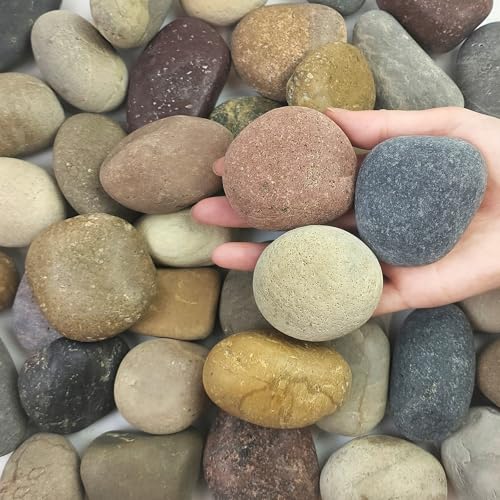
【Weight & Size】Weight: 5 pounds. Size:2-3 inches. Mixed color river rocks are clean and smooth,and contains a variety of different colors, shades and shapes. Keep in mind that stones are heavy, so 5 pounds doesn't seem like as much as one might think

Natural Material: Our seiryu stones are natural rocks, perfect to place in your fish tank, bonsai, terrarium, vivarium, etc. Carefully selected and pre-cleaned, acid substances have been used to neutralize the alkaline matters on stones' surfaces and prevent mineral dissolution in water.
Understanding Aquarium Safety
Aquarium safety focuses on selecting materials that promote a healthy environment for your aquatic life. Choosing the wrong rocks can lead to serious issues, including harmful chemical leaching that affects water quality.
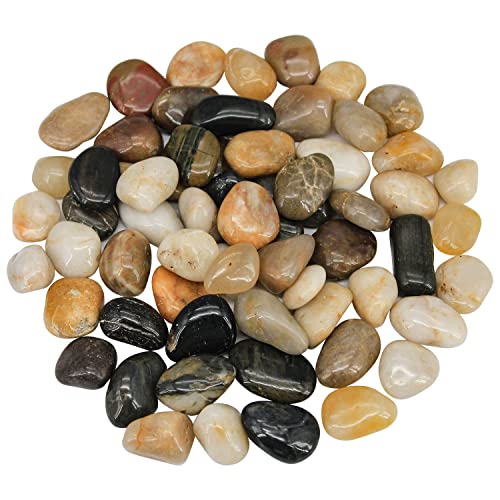
【Natural Decorative Stones】 VIREKM Outdoor/indoor Decorative Stones are natural lightly polished for smooth effect, comes in a variety of natural colors,Resists fading for long-lasting beauty. The color of this Outdoor/indoor Decorative Stones is natural so it may include a variety of different shades of browns, whites and black rocks.

Natural Aquarium Gravel: No fading natural stones are non-toxic no additional fillers, dyes, or oils, these beautiful outdoor decorative rocks are perfect for fish tank, turtle tank, aquarium, garden, and any landscaping project

【Size & Weight】1/4" average size is perfect for small applications. Due to machine screening, some pieces may be oversized. Total weight of a bag: 5 pounds.
Safe Rock Types
- Granite: Durable and non-reactive, granite won’t alter your water chemistry. It’s available in various colors and sizes.
- River Rocks: Smooth and rounded, river rocks are safe for fish and won’t harm their sensitive bodies. They come in many sizes and shapes.
- Lava Rock: Porous and lightweight, lava rock provides excellent filtration. It also offers hiding spots for fish, enhancing their comfort.
- Quartz: Non-toxic and aesthetically pleasing, quartz doesn’t affect water parameters and adds natural beauty to your tank.
- Silica Stones: These are safe and won’t leach harmful substances. They’re often used for landscaping and can be a great addition to aquariums.
Rocks to Avoid
- Limestone: This rock can raise pH levels and hardness, which may not suit all fish.
- Slate: Some slate contains minerals that can release harmful components into the water.
- Marble: Similar to limestone, marble can increase calcium levels and lead to water quality issues.
- Granite with Heavy Metals: Be wary of unusual granite that may contain heavy metals, as these can be toxic to fish.
- Clean Thoroughly: Before adding any rock to your aquarium, wash it with water to remove dust and debris. Avoid soaps and chemicals.
- Soak and Test: Soak rocks in water for a few days. Check for any cloudiness in the water, which indicates leaching.
- Check pH Levels: If possible, test your aquarium’s pH before and after placing new rocks. Ensure there’s no significant change.
By focusing on safe rock types and ensuring proper preparation, you can create a thriving environment for your aquatic inhabitants.
Types of Rocks for Aquariums
Choosing the right type of rock for your aquarium is crucial for maintaining a healthy environment. Here’s a breakdown of both natural and man-made rocks that are safe for your aquatic habitat.
Natural Rocks
Natural rocks are typically safe and can enhance the aesthetic appeal of your aquarium. Consider these options:
- Granite: Durability and resistance to weathering make granite a popular choice. It won’t alter water chemistry or leach harmful substances.
- River Rocks: Smooth and rounded, river rocks are often free from sharp edges. They come in various colors and won’t impact your aquarium’s pH levels.
- Lava Rock: Porous and lightweight, lava rock provides great hiding spots for fish. It improves biological filtration and doesn’t change water parameters.
- Quartz: Quartz is non-toxic and available in multiple colors. It stays inert in the water, making it a visually appealing option.
- Silica Stones: Similar to quartz, silica stones are safe for aquariums. They add natural beauty without affecting water quality.
Man-Made Rocks
Man-made rocks offer tailored designs and safety features. Here are some types to consider:
- Ceramic Rocks: These rocks are often shaped to mimic natural stones and are completely safe. They’re lightweight and easy to clean.
- Concrete Rocks: While they can add structural stability, ensure they’re specifically made for aquariums. Clean them thoroughly before use to remove any contaminants.
- Resin Rocks: Lightweight and customizable, resin rocks can be shaped to fit various designs. Ensure they’re labeled as aquarium-safe to prevent any adverse effects.
Always rinse and soak any rocks before introducing them to your aquarium. Testing for pH is essential to guarantee that they won’t disrupt your aquatic environment. By selecting the right types of rocks, you set a solid foundation for a thriving aquarium.
Evaluating Rock Safety
When selecting rocks for your aquarium, consider their impact on water chemistry and the health of aquatic life. Evaluating rock safety involves assessing pH levels and potential contaminants.
pH Levels
Check the pH levels of any rock before placing it in your aquarium. Rocks that may alter water chemistry can create imbalances harmful to fish and plants. Use a pH testing kit to evaluate the rock. Ideal pH levels for most freshwater aquariums range from 6.5 to 7.5. Choosing rocks that maintain this range supports a stable environment for your fish.
Potential Contaminants
Beware of potential contaminants in rocks. Some natural rocks can leach harmful substances that affect water quality. For example, avoid rocks containing heavy metals or minerals like copper, which can prove toxic. It’s advisable to rinse rocks thoroughly under running water and soak them for several hours in a separate container. Monitor the water for any discoloration or unusual odors. If present, contaminants can harm your aquarium’s ecosystem. Using commercially available aquarium-safe materials also reduces the risk of potential contaminants.
Popular Aquarium Safe Rocks
Choosing the right rocks is crucial for maintaining a healthy aquarium. Here are some popular options to consider:

【Package Include】-You will receive 10pcs black stones great for aquariums, terrariums, fish tank,or anything else where natural rock is desired. suitable for all saltwater and freshwater aquariums.Comes with pieces that range from 1.96-3.14 inches.

【Package Include】-You will receive 10 pcs black stones,providing you with multiple pieces to create a stunning underwater display. great for aquariums, terrariums or fish tank, or anything else where natural rock is desired. Comes with pieces that range from 1.18-1.96 inches.

【Package Include】-You will receive 10pcs stones great for aquariums, terrariums, fish tank,or anything else where natural rock is desired. suitable for all saltwater and freshwater aquariums.Comes with pieces that range from 1.96-3.14 inches.
Lava Rock
Lava rock is an excellent choice for aquariums. This porous material provides beneficial surfaces for beneficial bacteria, aiding in biological filtration. Lava rock’s lightweight nature makes it easy to arrange in your tank. It also features a unique dark color and interesting texture, enhancing your aquarium’s visual appeal. Rinse it thoroughly to remove any dust before adding it to your setup. Soaking for a few hours can help ensure it doesn’t leach any unwanted substances.
Quartz and Granite
Quartz and granite are both durable and versatile options. Quartz comes in many colors, allowing you to personalize your aquarium’s look. It doesn’t alter water chemistry, so it’s safe for fish and plants. Granite, known for its toughness, adds stability and structure. Both types are easy to clean, making them low-maintenance choices. Just rinse before use, and double-check for any sharp edges that might harm your aquatic life. Their non-toxic nature ensures a safe environment for your fish to thrive.
Avoiding Unsafe Rocks
When selecting rocks for your aquarium, some types can harm your aquatic environment. Understanding the characteristics of these unsafe rocks helps you maintain a healthy habitat.
Limestone and Marble
Limestone and marble both contain calcium carbonate, which can raise the pH of your aquarium. Elevated pH levels can disrupt the delicate balance required for fish and plants. Avoid using these rocks, especially if you’re setting up a freshwater tank, as the ideal pH ranges from 6.5 to 7.5. Marble may also leach heavy metals, posing additional risks.
Basalt and Slate
Basalt and slate often present potential issues as well. Basalt can be dense and may leach harmful minerals into the water, impacting overall water quality. Slate, while visually appealing, can deteriorate over time and release unwanted substances. It’s best to steer clear of both for a safe and stable aquarium environment. Checking the composition of any rock before adding it to your tank is essential.
Conclusion
Choosing the right rocks for your aquarium is essential for creating a healthy environment for your fish and plants. By opting for safe materials like granite, river rocks, and lava rock, you can enhance both the aesthetics and functionality of your tank.
Always remember to prepare your rocks properly by rinsing and soaking them to eliminate any potential contaminants. Keeping an eye on pH levels will help maintain the balance your aquatic life needs to thrive. With the right choices, you’ll not only beautify your aquarium but also ensure a safe haven for your underwater friends. Happy aquascaping!
Frequently Asked Questions
What types of rocks are safe for my aquarium?
Natural rocks like granite, river rocks, lava rock, quartz, and silica stones are safe for aquariums. They are non-toxic, don’t alter water chemistry, and provide an aesthetically pleasing environment for aquatic life. Man-made options include ceramic, concrete, and resin rocks, which are specifically designed to be aquarium-safe.
Why should I avoid certain rocks for my aquarium?
Certain rocks, like limestone, slate, and marble, can leach harmful substances and alter water parameters, negatively impacting fish and plants. These rocks may raise pH levels or release toxic minerals, creating an unhealthy environment for aquatic life.
How do I prepare rocks before adding them to my aquarium?
Before introducing rocks to your aquarium, you should rinse them thoroughly to remove any dirt or contaminants. Soak them for several hours to test for pH levels and monitor for discoloration or unusual odors. This preparation ensures a safe environment for your aquatic life.
What is the ideal pH range for a freshwater aquarium?
The ideal pH range for most freshwater aquariums is between 6.5 and 7.5. It is essential to check the pH levels of rocks before adding them to your tank, as those that increase pH can disrupt the balance required for fish and plants.
How can I ensure my rocks do not harm my fish?
To ensure your rocks are safe, always test them for pH and potential contaminants before adding them to the aquarium. Rinse and soak them thoroughly, and consider using commercially available aquarium-safe materials to minimize risks associated with harmful leaching.
