

Have you ever wondered why your aquarium’s pH levels seem to be off the charts? You’re not alone. Many aquarium enthusiasts face the challenge of maintaining balanced water chemistry, and high pH can lead to stress for your fish and plants.
Understanding the causes of high pH is essential for creating a healthy environment in your tank. This article will help you pinpoint the common culprits behind elevated pH levels and offer practical solutions to keep your aquarium thriving. By the end, you’ll feel more confident in managing your tank’s water quality and ensuring a happier aquatic community.
Key Takeaways
- Understanding pH Levels: Aquarium pH ranges from 0 to 14, with levels above 7 indicating alkalinity, crucial for the health of fish and plants.
- Common Causes of High pH: High pH can result from source water quality, substrate composition, and decorations that leach minerals into the water.
- Species-Specific pH Needs: Different aquatic species have unique pH requirements, making it vital to monitor and maintain levels suitable for the specific fish and plants in your aquarium.
- Regular Testing and Maintenance: Use a reliable pH test kit weekly to monitor levels. Regular water changes and cleaning help manage waste and stabilize pH.
- Management Solutions: Employ methods such as adding buffering agents, using natural driftwood, and incorporating live plants to lower and stabilize pH effectively.
- Watch for Stress Signals: High pH can stress aquatic life, leading to health issues like increased respiration rates in fish and stunted growth in plants. Regular monitoring helps prevent these problems.

Application: Great for all home and laboratory TDS & pH testing applications including aquariums, swimming pools

Contains one (1) API FRESHWATER MASTER TEST KIT 800-Test Freshwater Aquarium Water Master Test Kit, including 7 bottles of testing solutions, 1 color card and 4 tubes with cap

Professional Quality Testing Kit: The AAwipes Aquarium test kit (50 strips) is developed by experts for fish enthusiasts. It offers 8-in-1 testing capabilities, made with high-quality fiber paper and non-bleeding colors. The kit measures key parameters like Free Chlorine, Nitrate, Nitrite, Hardness, Sodium Chloride, Total Alkalinity, pH and Ammonia nitrogen. By identifying potential issues, our fish tank testing kit helps prevent hidden water problems and ensures the safety and well-being of your fish.
Overview of Aquarium pH Levels
Aquarium pH levels measure the acidity or alkalinity of the water. pH ranges from 0 to 14, with 7 being neutral. Values below 7 indicate acidity, while those above 7 signal alkalinity. Understanding pH is crucial for a healthy aquarium, as it directly impacts fish and plant well-being.
Ideal pH Levels for Common Aquatic Life
Different species thrive in specific pH ranges. For example:
- Freshwater Fish like neon tetras prefer pH levels between 6.0 and 7.5.
- Cichlids, often found in African lakes, favor a pH of 7.5 to 8.5.
- Plants such as Java fern generally do well in a pH between 6.5 and 7.5.
You must monitor your pH regularly. Sudden changes can stress aquatic life, leading to health issues or deaths.
Causes of High pH Levels
Several factors contribute to high pH levels in aquariums:
- Source Water: Tap water often contains minerals that raise pH. Testing your water before filling the aquarium helps identify potential issues.
- Substrate: Certain substrates, like crushed coral, can increase alkalinity. Choose substrates based on your aquatic life’s needs.
- Decor & Equipment: Some decorations, including limestone or granite, can leach minerals into the water, raising pH.
Measuring pH Levels
Utilize a pH test kit for accurate readings. Follow these steps:
- Use a liquid test kit or strips for simplicity.
- Collect a water sample from mid-depth. Avoid surface water.
- Follow instructions for accurate results. Record your findings weekly.
Maintaining Optimal pH Levels
Maintaining a stable pH is vital for a thriving aquarium. Here are steps to manage pH effectively:
- Perform Regular Water Changes: Change 10-15% of the water weekly to dilute contaminants and stabilize pH.
- Use a pH Stabilizer: In cases of elevated pH, consider using chemical stabilizers to lower levels gradually.
- Add Live Plants: Plants can naturally absorb excess nutrients, helping to balance pH.
You can create a safe, stable environment for your aquatic pets by understanding and managing pH levels effectively. Regular monitoring and adjustments ensure your aquarium thrives.
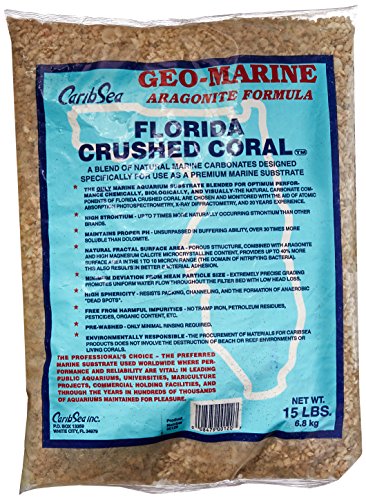
100%aragonite supports proper ph

Natural & Safe: Made from premium coral bones, specially designed for freshwater aquariums & ponds to create a stable, healthy habitat.

Core Filtration Function: This coral fish tank filter media serves as an efficient biological filtration substrate that enhances water clarity, stabilizes pH levels, and supports a balanced environment for both freshwater and saltwater aquariums
Factors Contributing to High pH Levels
High pH levels in your aquarium can stem from various sources. Understanding these factors helps in managing your aquatic environment effectively.
Substrate Composition
Substrate choices play a significant role in pH levels. Gravel, sand, or any substrate containing limestone or shells can raise your pH. When these materials dissolve, they release minerals, increasing alkalinity. For example, using aragonite sand can boost pH significantly. Opt for inert substrates, like quartz or plant-specific soils, to maintain stable pH levels.
Water Source Quality
Your water source directly influences pH. Tap water often has additives like calcium carbonate, which raises pH. Testing your tap water before use is crucial. If the pH is already high, consider using reverse osmosis (RO) water. RO water removes impurities, providing a neutral baseline. You can remineralize it afterward to suit specific fish and plant needs.
Biological Factors
Biological processes impact pH, too. Fish waste and uneaten food break down into ammonia, which can lead to higher pH if not managed. Overcrowding can exacerbate this issue, increasing waste. Regular maintenance, including water changes and vacuuming the substrate, helps control waste levels. Additionally, keeping live plants can naturally lower pH as they consume CO2, creating a more balanced environment.
Impact of High pH on Aquatic Life
High pH levels in an aquarium can significantly influence the health and wellbeing of aquatic life. Understanding these impacts assists in creating a balanced environment for your fish, invertebrates, and plants.

Contains one (1) API PROPER pH 7.0 Freshwater Aquarium Water pH Stabilizer 8.8-Ounce Container Use exclusively in freshwater aquariums that DO NOT contain live plants
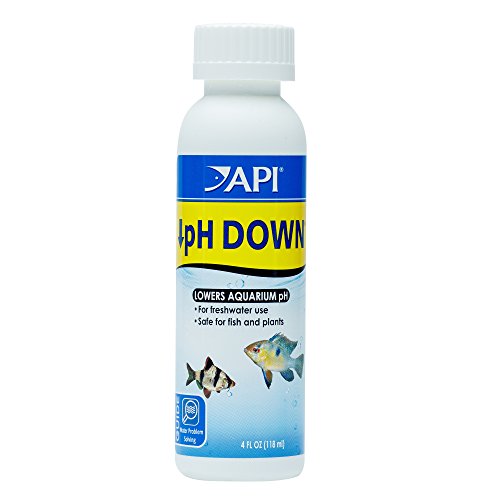
Contains one (1) API pH DOWN Freshwater Aquarium Water pH Reducing Solution 4-Ounce Bottle

MAINTAINS NEUTRAL pH: Helps maintain ideal pH levels in aquarium water.
Effects on Fish and Invertebrates
Fish and invertebrates show various stress responses to high pH. Fish may exhibit increased respiration rates, leading to potential oxygen deprivation. Species like goldfish thrive in alkaline environments, while others, such as tetras, prefer acidic conditions. Increased pH can result in increased ammonia toxicity, placing additional stress on fish. You may notice symptoms such as lethargy, erratic swimming, or even a lack of appetite.
Invertebrates are often more sensitive to pH changes. For instance, shrimp species thrive within specific pH ranges. A high pH can lead to molting issues, preventing shrimp from shedding their exoskeletons properly, which is vital for growth. Monitor your aquarium’s pH regularly to prevent these adverse effects.
Impact on Plant Growth
High pH affects the availability of essential nutrients for aquatic plants. Certain nutrients, like iron, become less soluble as pH increases, limiting their availability to plants. Consequently, you may observe stunted growth or yellowing leaves in species like Anubias or Java Fern, which thrive in slightly acidic to neutral water.
To encourage healthy plant growth, strive to maintain a pH level conducive to the specific species in your aquarium. Incorporating nutrient-rich substrates and using fertilizers tailored for aquatic plants can help mitigate these pH effects. Regularly test your water and adjust parameters using appropriate additives to support your plants’ health and overall tank aesthetics.
Management Strategies for High pH
Managing high pH levels in your aquarium is essential for the health of its inhabitants. Several techniques can help lower and stabilize pH.
Water Conditioning Techniques
- Use Buffering Agents
Add chemical agents like hydrochloric acid (HCl) or phosphoric acid to adjust pH levels gradually. Follow product guidelines carefully for safe application. - Incorporate Driftwood
Natural driftwood releases tannins into the water, which can help lower pH. Position it throughout your tank for effective results. - Choose Peat Moss
Utilize peat moss in your filter or substrate. Peat can lower pH while also providing beneficial humic acids. - Employ Reverse Osmosis (RO) Water
Mix tap water with RO water for a neutral starting point. RO water removes many contaminants, leading to more stable pH levels. - Add Acidifying Products
Consider commercial products designed specifically for lowering pH. Follow instructions and start with small amounts to avoid drastic changes.
- Perform Water Changes
Regular water changes of 10-20% weekly help dilute substances that elevate pH. Always use conditioned water to avoid reintroducing high pH levels. - Monitor pH Regularly
Use accurate test kits to check pH levels weekly. This practice allows you to identify trends and address fluctuations before they become serious. - Clean Your Aquarium
Remove waste and uneaten food regularly. Good filtration and suction systems help maintain water quality, preventing pH spikes. - Limit Stocking Density
Avoid overcrowding your tank, which can lead to excess waste and increased pH. Aim for appropriate fish ratios based on your tank size. - Incorporate Live Plants
Add hardy aquatic plants, which utilize carbon dioxide during photosynthesis and can help stabilize pH levels. Choose plants suitable for your light and water conditions.
Incorporating these techniques and practices ensures healthier aquatic life and a more stable environment in your aquarium.
Conclusion
Managing high pH levels in your aquarium is crucial for the health of your fish and plants. By understanding the various factors that contribute to elevated pH, you can take proactive steps to maintain a balanced environment. Regular monitoring and maintenance will go a long way in preventing stress for your aquatic life.
Implementing strategies like using inert substrates and incorporating live plants can help stabilize pH levels. Don’t forget to consider the quality of your water source and make adjustments as needed. With a little effort and attention, you can create a thriving habitat that keeps your aquatic community happy and healthy.
Frequently Asked Questions
What causes high pH levels in aquariums?
High pH levels in aquariums can be caused by several factors including the quality of source water, substrate materials like limestone, and decorations. Additionally, biological factors such as fish waste and overcrowding can contribute to elevated pH levels, making regular monitoring and maintenance crucial.
How can I measure the pH in my aquarium?
You can measure the pH in your aquarium using test kits that are available at pet stores. These kits typically involve adding a few drops of a reagent to a water sample and comparing the resulting color to a pH chart. Alternatively, digital pH meters offer precise readings.
What pH level is considered ideal for most fish?
Most freshwater fish thrive in a pH range of 6.5 to 7.5. However, specific species may prefer different levels, so it’s essential to research the needs of your fish and adjust the pH accordingly to prevent stress and health issues.
How can I lower the pH in my aquarium?
To lower the pH in your aquarium, consider using buffering agents like hydrochloric or phosphoric acid, adding driftwood or peat moss, and performing regular water changes. Using reverse osmosis (RO) water can also help create a more neutral pH baseline.
Why is high pH bad for fish and plants?
High pH levels can stress fish, leading to symptoms like increased respiration rates and erratic swimming. For plants, high pH can limit nutrient availability, resulting in poor growth and yellowing leaves. Maintaining optimal pH levels is crucial for a healthy aquarium environment.
What are some strategies to maintain stable pH levels?
To maintain stable pH levels, regularly perform water changes, monitor pH frequently, use inert substrates, and add live plants to the aquarium. Limiting stocking density and keeping a clean environment also helps prevent pH fluctuations.
Can I use tap water in my aquarium?
While you can use tap water, it’s essential to check its pH and possible additives that may raise pH levels. If your tap water has a high pH, consider using reverse osmosis (RO) water as a more neutral alternative for your aquarium.
