

Have you noticed your aquarium leaking or the silicone starting to peel? It’s a common issue that many aquarists face, and it can be frustrating. A well-sealed tank is crucial for keeping your aquatic friends safe and happy.
Key Takeaways
- Essential Tools: Gather high-quality aquarium-safe silicone sealant, a sharp utility knife, and cleaning supplies like isopropyl alcohol or vinegar to ensure effective resealing.
- Step-by-Step Process: Carefully remove old sealant, clean surfaces thoroughly, and apply the new silicone sealant in a consistent bead for a secure seal.
- Avoid Common Mistakes: Prevent over-application of sealant and ensure proper surface preparation to maintain adhesion and avoid leaks.
- Product Quality Matters: Opt for reputable sealant brands like GE Silicone I or DAP 100% Silicone, specifically designed for aquarium use, to guarantee safety for aquatic life.
- Curing Time Importance: Allow the silicone to cure for 24 to 48 hours as per the manufacturer’s instructions, considering environmental factors like humidity and temperature for optimal results.
- Leak Testing: Always test for leaks after curing before introducing water and aquatic inhabitants to ensure a safe aquarium environment.
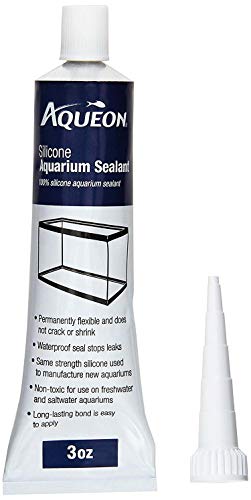

SAFE FOR THE FISH: Selsil Aquarium Silicone is a silicone sealant used in glass bonding work. It does not contain chemicals or solvents that are not friendly to your fish or other organisms in the aquarium. This product is made from 100% silicone polymer, is used in aquarium manufacturing, and conforms with the ISO 11600 –F&G–25 LM standards.

This high modulus component RTV Silicone Sealant forms strong cohesive bonds to glass without the need of primers
Tools Needed For Resealing
Resealing an aquarium requires specific tools to ensure a successful and leak-proof job. Here’s what you need to gather before you start.
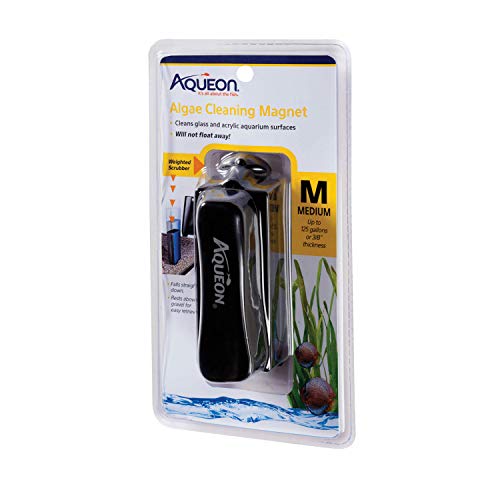
Magnetic aquarium glass cleaner makes it easy to clean the inside of the aquariums from the outside
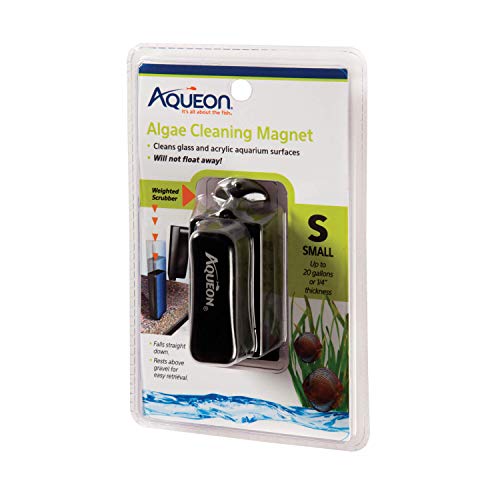
Magnetic aquarium glass cleaner makes it easy to clean the inside of the aquariums from the outside

100% dedicated to performance and clean environment
Silicone Sealant
Choose a high-quality aquarium-safe silicone sealant. Look for products labeled as 100% silicone. Common brands include Momentive RTV 108 and DAP Aquarium Sealant. Always check that the sealant is free from mold inhibitors, which can harm fish.
Utility Knife
A sharp utility knife helps remove old silicone effectively. Use the knife to cut along the edges of the existing seal. Ensure you’re cautious to avoid damaging the aquarium glass while doing this.
Cleaning Supplies
Use isopropyl alcohol or vinegar to clean the surfaces once the old silicone is removed. These substances eliminate residues and ensure better adhesion for the new sealant. Microfiber cloths help apply the cleaning agent without scratching the glass.
Gathering these tools beforehand sets you up for a smoother resealing process, ensuring your aquarium remains a safe environment for your aquatic life.
Steps To Reseal An Aquarium
Resealing an aquarium is essential for maintaining a healthy aquatic environment. Follow these steps carefully for a successful process.
Step 1: Remove Old Sealant
- Use a sharp utility knife to cut along the old silicone sealant.
- Apply even pressure while slicing to avoid damaging the glass.
- Scrape off any remaining pieces with a putty knife or a similar tool.
- Inspect the corners and edges to ensure you remove all old material.
Step 2: Clean The Aquarium Surfaces
- Wipe the surfaces with isopropyl alcohol or vinegar.
- Focus on areas where the old sealant was applied.
- Let the surfaces dry completely before proceeding.
- Check for dust or debris, as these can affect adhesion.
- Cut the tip of the silicone sealant tube at a 45-degree angle.
- Load the tube into a caulking gun for ease of application.
- Apply a continuous bead of silicone along the seams, ensuring no gaps exist.
- Use a caulking tool or your finger to smooth the silicone and enhance the seal.
- Allow the silicone to cure per the manufacturer’s instructions, usually 24 to 48 hours, before adding water or aquatic life.
Common Mistakes To Avoid
When resealing an aquarium, avoiding common mistakes ensures a leak-proof finish. Here are crucial errors to steer clear of during the process.
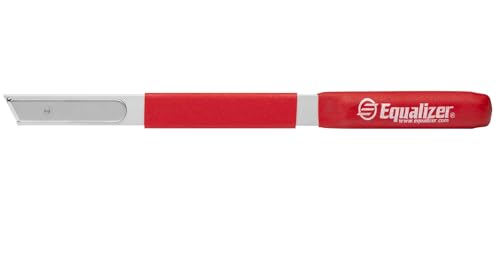
Lightweight Aluminum Construction: Provides a durable yet lightweight design, ensuring ease of use and long-lasting performance.
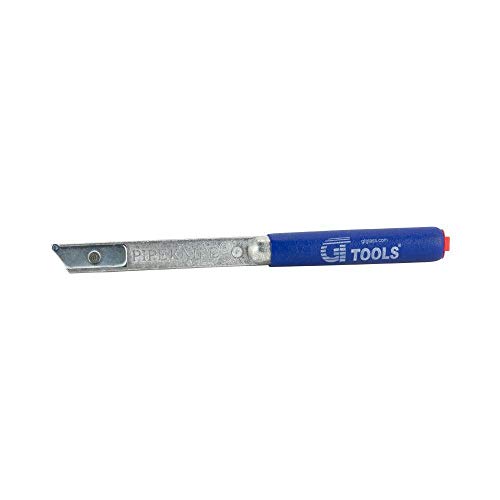
Pipe Knife is 14 Inch long and has 6-1/2 inch flattened blade shaft with round corners

Achieve precise, clean cuts with ease using the Best Damn Knife - Utility Blade's innovative guiding tip. Designed to help guide your blade along edges, this unique feature ensures straight and accurate cuts every time, making it the perfect tool for a variety of cutting tasks.
Over-applying Sealant
Over-applying sealant leads to uneven finishes and potential leaks. Use a steady hand to apply a continuous bead along the seams. Aim for a thickness of about 1/8 inch. Excessive sealant can also trap air bubbles, weakening the bond. If you notice over-application, gently smooth it out with a tool or your finger, removing any excess before it cures.
Neglecting Surface Preparation
Neglecting surface preparation can hinder adhesion and result in future leaks. Thoroughly clean the aquarium surfaces with isopropyl alcohol or vinegar before applying new sealant. Remove all old silicone remnants, as traces can disrupt the new seal. Wait until surfaces dry completely, as moisture can prevent proper bonding. Skipping these steps can compromise your hard work and lead to leaks down the line.
Tips For Successful Resealing
Resealing an aquarium requires careful attention to certain details for the best results. Follow these tips for a successful project.
Choosing The Right Products
Select high-quality aquarium-safe silicone sealant. Look for products labeled as waterproof and suitable for aquariums. These sealants provide strong adhesion and durability. Some popular brands include:
- GE Silicone I: This is a widely recommended choice due to its versatility and reliability.
- DAP 100% Silicone: Known for its excellent waterproof capabilities.
- Aquarium Sealant by Aqueon: Specifically formulated for aquarium use.
Always avoid using regular household silicone, as it may contain harmful chemicals.
Ensuring Proper Curing Time
Allow adequate time for the silicone to cure fully. Standard curing time ranges from 24 to 48 hours, but always refer to the manufacturer’s instructions. Factors like humidity and temperature can affect curing.
Consider these tips for optimal curing:
- Humidity: Higher humidity levels can speed up curing, while drier conditions may slow it down.
- Temperature: Ideal temperatures usually fall between 70°F and 80°F. Ensure your aquarium is in a stable environment during this period.
- Ventilation: Good airflow promotes curing and helps dissipate any odors.
Test for leaks after the curing time before adding water or fish to ensure a secure seal.
Conclusion
Resealing your aquarium might seem daunting but with the right tools and a bit of patience you can create a safe haven for your aquatic friends. By following the steps carefully and avoiding common pitfalls you’ll ensure a durable and effective seal that keeps your tank leak-free.
Remember to give the silicone enough time to cure before filling your aquarium again. This little extra caution will pay off in the long run. Enjoy the peace of mind that comes from knowing your tank is secure and your fish are happy. Happy aquascaping!
Frequently Asked Questions
What causes aquarium leaks and peeling silicone?
Aquarium leaks often result from poor sealant application, wear and tear over time, or exposure to harsh conditions. Peeling silicone can occur due to inadequate surface preparation, environmental stress, or using subpar sealant. Maintaining a well-sealed tank is essential for the safety of your aquatic life.
How do I know if my aquarium needs resealing?
Signs that your aquarium may need resealing include visible leaks, water stains outside the tank, or peeling silicone along the seams. If you notice any of these issues, it’s essential to address them promptly to prevent further water damage and to ensure the safety of your fish.
What tools do I need for resealing an aquarium?
To effectively reseal an aquarium, you’ll need a sharp utility knife for removing old silicone, high-quality aquarium-safe silicone sealant, and cleaning supplies like isopropyl alcohol or vinegar. These tools will help prepare the surfaces for optimal adhesion and a secure seal.
How do I properly reseal my aquarium?
Start by removing old silicone with a utility knife. Next, clean the surfaces with isopropyl alcohol or vinegar and let them dry completely. Apply a continuous bead of aquarium-safe silicone along the seams and smooth it out. Allow the silicone to cure for 24 to 48 hours before filling the tank with water.
How can I avoid common mistakes when resealing my aquarium?
To avoid mistakes, ensure thorough cleaning and drying of surfaces before applying silicone. Don’t over-apply sealant, as it can lead to uneven finishes and potential leaks. Using high-quality, aquarium-safe silicone and allowing adequate curing time are also crucial for a successful reseal.
What silicone products are recommended for aquarium resealing?
Choose high-quality silicone sealants specifically designed for aquariums, such as GE Silicone I, DAP 100% Silicone, or Aqueon Aquarium Sealant. Avoid regular household silicone, as it may contain harmful chemicals that can endanger your aquatic life.
How long should I wait to add water after resealing?
After applying silicone sealant, it’s crucial to allow it to cure for 24 to 48 hours. Curing time can vary based on humidity and temperature, so it’s essential to be patient. Always test for leaks before refilling the aquarium to ensure a secure seal.
