

Have you noticed a pesky red algae bloom taking over your saltwater aquarium? You’re not alone. Many aquarium enthusiasts face this common problem, and it can be frustrating to see your beautiful setup marred by unsightly growth.
Key Takeaways
- Understanding Red Algae: Recognize that red algae (Rhodophyta) can be both beneficial and invasive in saltwater aquariums, impacting aesthetics and health.
- Common Causes of Growth: Key factors for red algae proliferation include excess nutrients, poor water circulation, inconsistent lighting, low competition from other species, and inappropriate temperature.
- Effective Removal Methods: To combat red algae, utilize manual removal techniques, algaecides, phosphate removers, carbon dosing, and bacterial supplements for comprehensive control.
- Preventative Measures: Maintain optimal water quality, manage suitable lighting conditions, and test parameters regularly to prevent future outbreaks of red algae.
- Utilizing Fish and Invertebrates: Introduce algae-eating fish and a diverse clean-up crew, including hermit crabs and snails, to help control algae growth and enhance aquarium health.
- Consistency is Key: Regular maintenance and monitoring are essential to keeping red algae at bay and ensuring a thriving saltwater aquarium environment.

POWERFUL ALGAE REMOVER FOR FISH TANK: MICROBE-LIFT Algaway 5.4 delivers fast-acting aquarium algae control; It eliminates green water, hair algae, and string algae to improve water clarity and reduce odor; EPA Registered for safety and reliability

ADVANCED MICROBIAL CLEANING – MicrōBacter Clean is a complex system of non-pathogenic microbes and natural enzymes that work as an aquarium cleaner for live rock and decoration surfaces. Formulated to target and break down unwanted substances, providing quick removal through scraping or vacuuming

Stainless Steel Materials: Algae scraper for glass aquariums is made entirely of stainless steel, making it resistant to rust. It is suitable for both salt water tanks and fresh water aquariums. Additionally, Stainless steel blades effortlessly cutting through stuff adhering on glass and gets some of the harder buildup off without having to scrape viciously. Easy to use and very effective at keeping the glass absolutely clean.
Understanding Red Algae in Saltwater Aquariums
Red algae can hinder the beauty of your saltwater aquarium, often creating a frustrating challenge. Gaining insight into its nature and causes empowers you to tackle the issue effectively.

Best Selling Phosphate Remover

FAST-ACTING PHOSPHATE CONTROL MEDIA Quickly removes phosphate and silicate from aquarium water to support nutrient balance and clearer conditions
What Is Red Algae?
Red algae, often referred to as Rhodophyta, belong to a large group of marine plants. These organisms typically feature a vibrant red or purple hue due to the pigments called phycoerythrin. While some species are beneficial, such as those used as food for reef creatures, others can become invasive, leading to overgrowth in your tank. Examples include Gracilaria and Lithothamnion, which can affect the aesthetics and health of your aquatic environment.
Common Causes of Red Algae Growth
Several factors contribute to the proliferation of red algae in saltwater aquariums. Understanding these causes helps you prevent future outbreaks:
- Excess Nutrients: High levels of nitrates and phosphates often fuel algae growth. Sources include uneaten food, decaying plant material, and fish waste.
- Poor Water Circulation: Inadequate water movement can create stagnant areas, allowing algae to thrive. Ensure proper placement of pumps and filters.
- Inconsistent Lighting: Both insufficient and excessive light can trigger red algae blooms. Aim for 8-10 hours of quality light daily, balancing it to suit your specific aquatic plants and animals.
- Low Competition: An absence of competitive species permits red algae to proliferate. Introducing beneficial macroalgae or corals can help control their growth.
- Inappropriate Temperature: Elevated temperatures can promote algae growth. Maintain water temperature between 74°F and 78°F to sustain a healthy aquarium environment.
Addressing these common causes will set the stage for restoring balance in your saltwater aquarium and reducing red algae growth effectively.
Effective Methods to Get Rid of Red Algae
You can successfully tackle red algae in your saltwater aquarium through several effective methods. Below are the primary approaches to eliminate this nuisance and restore your aquatic environment.
Manual Removal Techniques
- Isolate Affected Areas: Identify the sections of your aquarium where red algae are rampant. Focus on those areas to simplify removal.
- Use a Scraper or Brush: Apply a soft scraper or an algae brush to gently scrub the red algae off surfaces. Try to avoid scratching any tank glass or equipment.
- Vacuuming: Utilize a siphon or gravel vacuum to remove debris and algae from the substrate. This method decreases nutrient levels where algae thrive.
- Frequent Water Changes: Change 10-20% of the water weekly. This reduces nutrient concentration and disrupts the growth of red algae.
- Clip Affected Plants: If red algae are present on live plants, trim away the affected leaves. This promotes healthy growth and reduces algae spread.
- Algaecides: Select an algaecide specifically formulated for saltwater aquariums. Follow the manufacturer’s instructions strictly to avoid harming other tank inhabitants.
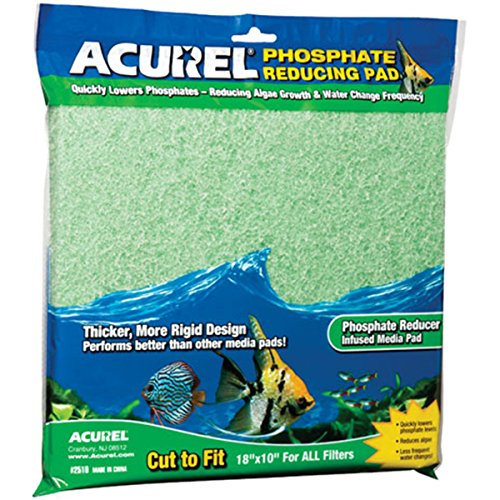
- Phosphate Removers: Implement phosphate-removing media in your filter. High phosphate levels fuel algae growth, so keeping them in check helps manage outbreaks.
- Carbon Dosing: Consider utilizing a carbon source, like vinegar or a commercially available carbon product. Proper dosing can help lower nitrogen levels and discourage red algae growth.
- Bacterial Supplements: Add beneficial bacteria to your system. These bacteria compete for nutrients, reducing the available resources for red algae.
You can combine these methods for comprehensive control. Consistency in maintenance and monitoring is key to preventing future outbreaks.
Preventing Red Algae in Your Aquarium
Preventing red algae in your aquarium involves maintaining optimal conditions and monitoring various factors that contribute to its growth. By following specific practices, you can reduce the likelihood of red algae outbreaks.

Powerful and Compact: The Fluval Sea CP3 Wave Maker delivers strong, consistent water movement in aquariums up to 50 gallons. Its compact, space-saving design provides exceptional performance while minimizing tank intrusion

Compact and Powerful: DC 12V 9W; Max flow rate: 660 GPH (2500 L/H); Compact size (only 1.9 x 1.5 x 1.5 inches); Recommended tank size: 5–10 gallons. Its space-saving design provides high performance while minimizing tank intrusion

Compact Powerful aquarium wave maker : with 20W DC24V powerhead,creates steady currents that mimic natural water flow, promoting healthy aquatic life.
Maintaining Water Quality
Maintaining high water quality is crucial. Regularly test parameters like salinity, pH, ammonia, nitrite, and nitrate levels. Aim for ammonia and nitrite levels at 0 ppm and nitrates below 10 ppm. Perform water changes of 10-20% weekly to dilute excess nutrients. Use a quality filtration system to ensure proper circulation and remove impurities. It’s important to clean the filter media periodically to maintain its effectiveness.
Suitable Lighting Conditions
Suitable lighting conditions play a significant role in preventing red algae. Limit lighting duration to 8-10 hours per day. Use timers to create a consistent lighting schedule, mimicking natural day and night cycles. Choose bulbs with a spectrum tailored for marine setups; LED fixtures specifically designed for reef tanks can be effective. Additionally, reposition the light source if direct exposure encourages algae growth on specific surfaces, finding a balance that promotes coral health without fostering algae.
The Role of Fish and Invertebrates
Using fish and invertebrates in your saltwater aquarium can significantly help manage red algae growth. These creatures not only keep your ecosystem balanced but also improve overall water quality.
Algae-Eating Fish
Algae-eating fish play a crucial role in controlling red algae. These species consume algae directly, reducing its presence in your tank. Some popular options include:
- Tangs: Species like the Yellow Tang or Kole Tang are effective at grazing on algae.
- Blennies: The Lawnmower Blenny is known for its voracious appetite for algae, especially in smaller tanks.
- Angel fish: Certain types, like the Coral Beauty, enjoy munching on algae among other foods.
Introduce these fish gradually to prevent stress and ensure compatibility with existing tank mates.
Benefits of Clean-Up Crew
Invertebrates, often referred to as the “clean-up crew,” also assist in controlling red algae. These organisms help maintain a clean environment by consuming detritus, leftover food, and unwanted algae. Here’s a list of beneficial clean-up crew members:
- Hermit Crabs: They scavenge for algae and uneaten food, preventing buildup.
- Snails: Species such as Turbo Snails and Astrea Snails actively graze on algae, contributing to its removal.
- Sea Cucumbers: They process substrate, enhancing its quality while naturally consuming detritus.
A diverse clean-up crew can optimize your aquarium’s health, creating a more stable environment and reducing red algae growth.
Conclusion
Dealing with red algae in your saltwater aquarium can be a challenge but it’s definitely manageable. By understanding the causes and implementing the right strategies you can keep your tank healthy and beautiful. Regular maintenance and monitoring are key to preventing future outbreaks.
Don’t forget to consider the role of algae-eating fish and invertebrates in your setup. They can make a big difference in controlling algae growth while adding life to your aquarium. With a little patience and effort you’ll create a thriving aquatic environment that you can enjoy for years to come.
Frequently Asked Questions
What are red algae blooms in saltwater aquariums?
Red algae blooms, caused by Rhodophyta, are unsightly growths that can detract from the beauty of your aquarium. They can appear in vibrant red or purple and may indicate underlying issues, like excess nutrients or poor water quality.
What causes red algae growth in aquariums?
Common causes of red algae growth include excess nutrients, poor water circulation, inconsistent lighting, low competition from other species, and inappropriate temperatures. Understanding these factors helps prevent outbreaks.
How can I remove red algae from my aquarium?
Effective methods for removing red algae include manual techniques like scraping and vacuuming, frequent water changes, using algaecides formulated for saltwater, and adding beneficial bacteria to compete for nutrients.
How can I prevent red algae from growing in my aquarium?
Preventing red algae involves maintaining high water quality, performing regular water tests, ensuring proper filtration, limiting light exposure, and promoting a diverse clean-up crew to compete with algae.
Which fish and invertebrates can help control red algae?
Algae-eating fish like Tangs, Blennies, and certain Angel fish are effective in consuming red algae. A diverse clean-up crew with Hermit Crabs, Snails, and Sea Cucumbers also helps maintain a clean environment and reduces algae presence.
