

Have you noticed a slimy, greenish layer taking over your freshwater aquarium? You’re not alone. Many aquarium enthusiasts face the frustrating challenge of cyanobacteria, which can quickly spoil the beauty of your tank and harm its inhabitants.
Key Takeaways
- Understanding Cyanobacteria: Recognize cyanobacteria as blue-green algae that can harm your aquarium’s health through nutrient imbalance and toxicity.
- Causes of Growth: Identify key contributors like high nutrient levels, low water flow, and poor lighting conditions that promote cyanobacteria proliferation.
- Symptoms of Infestation: Look for signs such as an oily, slimy film, foul odors, cloudy water, and changes in fish behavior to catch cyanobacteria early.
- Prevention Strategies: Maintain water quality by performing regular water changes, monitoring nutrient levels, and ensuring proper lighting and filtration in your aquarium.
- Effective Treatments: Utilize chemical treatments, natural remedies, and manual removal techniques to effectively address existing cyanobacteria outbreaks.
- Post-Treatment Care: Continue monitoring water parameters, maintain stable conditions, and implement preventive measures to avoid future cyanobacteria infestations.
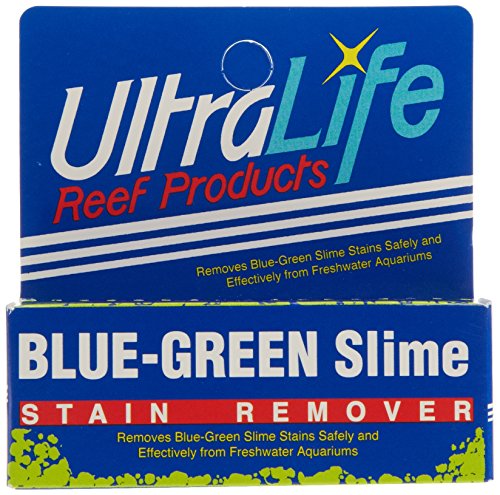
Ultralife Reef Products Blue Green Algae Remover

cleans many types of stains from cyanobacteria

❤️ Effective Cyanobacteria Treatment: Specially formulated to quickly eliminate stains from various strains of cyanobacteria, including blue-green, black, red, and bubble types.
Understanding Cyanobacteria
Cyanobacteria, often called blue-green algae, pose a common issue in freshwater aquariums. This organism can form a thick, unsightly layer on surfaces, affecting both the aesthetics and health of your aquatic environment.

Blue Life Green Cyano Rx
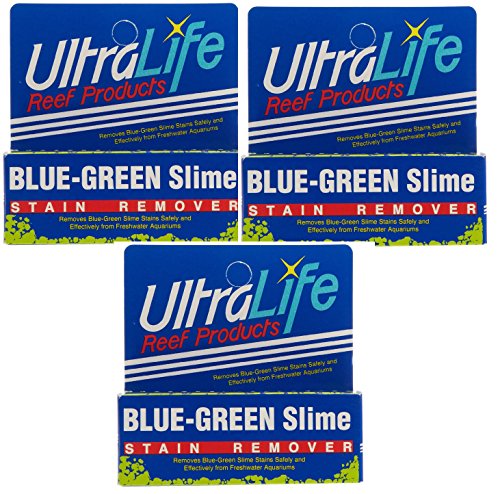
Revolutionary Slime Removal: Effectively and safely eliminates unsightly Blue Green Slime stains from freshwater aquariums using a time-tested formula that targets problem areas while preserving the health of your aquatic environment

BENEFITS: Fight a severe algae bloom and transform your swimming pool water from green to blue in 24 hours with this easy-to-use system
What Is Cyanobacteria?
Cyanobacteria are photosynthetic bacteria that thrive in water. They can appear as a slimy, green film on decorations, substrate, and even plants. Unlike true algae, cyanobacteria are prokaryotic organisms, meaning they lack a nucleus. Some strains can produce toxins, which may harm fish and invertebrates. Identifying cyanobacteria promptly can prevent potential harm to your aquarium’s ecosystem.
Causes of Cyanobacteria Growth
Multiple factors contribute to the growth of cyanobacteria in your aquarium. Understanding these causes can help you manage and prevent their occurrence.
- Nutrient Imbalance: High levels of nutrients, particularly nitrates and phosphates, promote rapid cyanobacteria growth. Overfeeding fish can increase nutrient levels.
- Low Water Flow: Stagnant or slow-moving water provides ideal conditions for cyanobacteria. Ensure proper water circulation within the tank.
- Insufficient Lighting: Excessive light or inadequate light duration can favor cyanobacteria. Monitor lighting schedules to avoid this imbalance.
- Poor Filtration: An ineffective filter may not remove excess nutrients, allowing cyanobacteria to flourish. Regular filter maintenance is essential.
- Substrate Quality: Old, decomposing substrate can release nutrients into the water, fostering cyanobacteria growth. Consider replacing or cleaning substrate regularly.
By addressing these causes, you can create a healthier environment in your freshwater aquarium and reduce the likelihood of cyanobacteria outbreaks.
Identifying Cyanobacteria in Your Aquarium
Identifying cyanobacteria early helps protect your aquarium’s ecosystem. Recognizing the symptoms and understanding how to differentiate it from other algae are crucial.
Symptoms and Signs
- Color and Texture: Cyanobacteria often appear as a thick, greenish-blue or reddish-brown film on surfaces like rocks, glass, and substrate. It feels slimy to the touch.
- Odor: A foul odor sometimes accompanies cyanobacteria growth. This smell can resemble rotten vegetation.
- Fish Behavior: Watch for changes in fish activity. They may show signs of distress, such as gasping for air near the surface or staying hidden.
- Water Clarity: Cloudy water can signal cyanobacteria presence. Your tank may lose its usual clarity.
- Invertebrate Health: If shrimp or snails appear lethargic or suffer from health issues, cyanobacteria might be the cause.
- Growth Pattern: Cyanobacteria forms a mat-like structure that feels slimy, while green algae typically grows in patches and has a fuzzy texture.
- Color Comparison: Cyanobacteria’s color ranges from blue-green to purple, distinguishing it from the bright green hue of normal algae.
- Location: You may find cyanobacteria accumulating in areas with low water movement, such as corners and behind decorations, whereas true algae can grow anywhere.
- Ephemeral Nature: Cyanobacteria can spread quickly under certain conditions, often doubling in size within a few days. Most algae grow more slowly.
- Response to Water Changes: After a water change, observe the reaction. If the slime persists despite improved conditions, it’s likely cyanobacteria.
By being vigilant and understanding these signs, you can identify cyanobacteria and take action to manage it effectively.
Prevention Strategies
Maintaining balance in your aquarium is essential for preventing cyanobacteria growth. Focusing on water quality and lighting conditions makes a significant difference.
Maintaining Water Quality
Monitor your water parameters regularly. Keep ammonia and nitrite levels at 0 ppm, while maintaining nitrate levels below 20 ppm. Excess nutrients fuel cyanobacteria.
Perform weekly water changes of 10-15% to dilute pollutants. Use a quality water conditioner to remove chlorine and chloramines.
Install a reliable filtration system that suits your tank’s size. A good filter promotes water circulation and removes organic waste.
Limit feeding to once or twice a day, providing only as much food as your fish can consume in a few minutes. Overfeeding increases nutrient levels, leading to cyanobacteria outbreaks.
Proper Lighting Conditions
Adjust your lighting duration to 8-10 hours per day. Too much light encourages cyanobacteria growth.
Choose the right spectrum of light. Full-spectrum LED lights around 6000K-8000K support healthy plant growth without promoting cyanobacteria.
Ensure adequate tank placement to prevent direct sunlight exposure. Sunlight can create warm spots, enhancing nutrient levels and light availability for cyanobacteria.
Utilize a timer for consistency in lighting schedules. Consistent photoperiods help establish a balanced ecosystem, keeping cyanobacteria in check.
Treatment Options
You can tackle cyanobacteria in your freshwater aquarium using several effective methods. By combining different treatments, you create a multifaceted approach that addresses the issue more comprehensively.
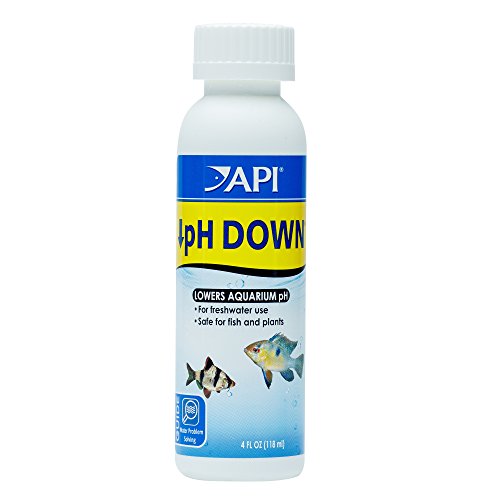
Contains one (1) API pH DOWN Freshwater Aquarium Water pH Reducing Solution 4-Ounce Bottle
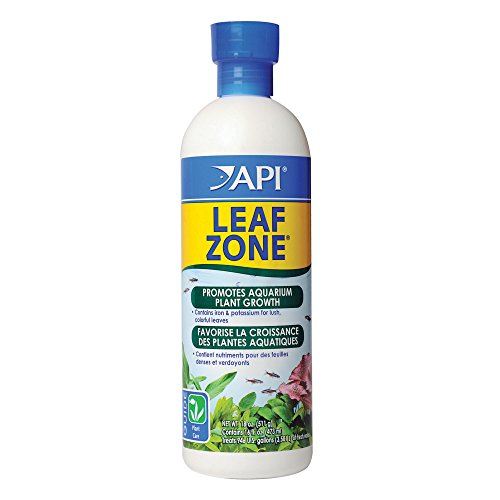
Contains one (1) API LEAF ZONE Freshwater Aquarium Plant Fertilizer 16-Ounce Bottle

Contains one (1) API PROPER pH 7.0 Freshwater Aquarium Water pH Stabilizer 8.8-Ounce Container Use exclusively in freshwater aquariums that DO NOT contain live plants
Chemical Treatments
Using chemical treatments can provide swift relief from cyanobacteria. Several products contain antibiotics, such as erythromycin, designed specifically to target these bacteria without harming your fish or invertebrates. Carefully follow the instructions on the packaging, as overuse can lead to resistance or additional problems. Always perform a water change prior to treatment to remove excess nutrients. Monitor your water parameters closely throughout the process, and consider a follow-up treatment if necessary.
Natural Remedies
Natural remedies can also help control cyanobacteria growth. Adding beneficial bacteria supplements boosts the ecosystem’s natural balance, competing with cyanobacteria for nutrients. Introducing certain aquatic plants, such as Elodea or Hornwort, can improve oxygen levels and absorb excess nutrients. Another option is increasing carbon dioxide levels through specialized diffusers, which can encourage desirable plant growth while inhibiting cyanobacteria. Utilizing live foods for fish can also promote healthier eating habits, lowering nutrient levels in the substrate.
Manual Removal Techniques
Manual removal techniques are effective for managing visible cyanobacteria. Use a siphon to vacuum the affected areas during water changes, extracting debris and lowering nutrient levels. Scrubbing surfaces with an aquarium-safe scrubber helps remove cyanobacteria buildup from decorations and glass. Be consistent with these efforts, as it may take multiple rounds to achieve satisfactory results. When performing manual removal, always reduce feeding and examine filtration practices to minimize the reoccurrence of the issue.
Post-Treatment Care
Post-treatment care is critical for maintaining a healthy aquarium after removing cyanobacteria. Focus on monitoring water parameters and preventing future outbreaks.
Monitoring Water Parameters
Monitor water parameters frequently after treatment. Maintain a consistent schedule, checking pH, ammonia, nitrite, and nitrate levels. Aim for these ideal values:
| Parameter | Ideal Level |
|---|---|
| pH | 6.5 – 7.5 |
| Ammonia | 0 ppm |
| Nitrite | 0 ppm |
| Nitrate | <20 ppm |
Utilize a quality test kit for accurate results. Adjust water conditions as necessary. Regular monitoring helps you catch fluctuations early, preventing a recurrence of cyanobacteria. Inspect your filtration system to ensure it’s functioning efficiently, as this plays a crucial role in maintaining water quality.
Preventing Future Outbreaks
Prevent future outbreaks by creating a stable environment. Start by limiting feeding. Feed fish once or twice daily, providing only what they can consume in a few minutes.
Implement a consistent water change schedule. Aim for weekly changes of 10-15% to dilute nutrients and organic waste. Use a reliable water conditioner during changes.
Analyze your lighting settings. Set a lighting duration of 8-10 hours per day. Adjust the light spectrum to favor beneficial plant growth over cyanobacteria. Avoid direct sunlight exposure and use a timer for consistency.
Consider adding live plants that compete with cyanobacteria for nutrients. Aquatic plants like Java Fern or Anubias can help maintain a balanced ecosystem. Additionally, consider introducing beneficial bacteria supplements. They can aid in nutrient breakdown, thus lowering the chances of cyanobacteria reemergence.
Regularly assess water flow in your aquarium. Increasing circulation can deter cyanobacteria growth, as they prefer stagnant water. Make these changes to enhance your aquarium’s health and aesthetics.
Conclusion
Getting rid of cyanobacteria in your freshwater aquarium doesn’t have to be a daunting task. By understanding the causes and symptoms of this pesky organism, you can take proactive steps to maintain a healthy environment for your aquatic life.
Regular monitoring of water parameters and making necessary adjustments will go a long way. Implementing proper feeding routines and enhancing filtration can create a balanced ecosystem that deters cyanobacteria.
Remember that consistency is key. With a little patience and diligence, you can keep your aquarium thriving and free from those unsightly cyanobacteria blooms. Enjoy the beauty of your tank and the health of its inhabitants.
Frequently Asked Questions
What is cyanobacteria in freshwater aquariums?
Cyanobacteria, commonly known as blue-green algae, are photosynthetic bacteria that can form a slimy, greenish layer in freshwater aquariums. Unlike true algae, these organisms can produce toxins harmful to fish and invertebrates, making their presence a concern for tank health.
How can I identify cyanobacteria in my aquarium?
Cyanobacteria can be identified by a thick, greenish-blue or reddish-brown film on surfaces. Other signs include foul odors, cloudy water, lethargic invertebrates, and changes in fish behavior. It often grows in low water flow areas and has a distinct mat-like structure.
What causes cyanobacteria growth in aquariums?
Cyanobacteria thrive due to nutrient imbalances, often from overfeeding, low water flow, poor filtration, insufficient lighting, or substrate quality. Regularly monitoring water parameters and maintaining a balanced ecosystem are key to preventing outbreaks.
How can I prevent cyanobacteria in my aquarium?
To prevent cyanobacteria, maintain water quality by performing weekly 10-15% water changes, keep ammonia and nitrite levels at 0 ppm, and limit nitrate levels below 20 ppm. Adjust lighting to 8-10 hours daily and avoid direct sunlight to reduce nutrient influx.
What treatments are available for cyanobacteria?
Treatment options include chemical methods like erythromycin, which provides quick relief, and natural alternatives such as beneficial bacteria supplements and specific aquatic plants. Manual removal through siphoning and scrubbing affected areas is also effective.
What post-treatment care is needed after cyanobacteria removal?
Post-treatment, it’s essential to monitor water parameters closely, ensuring pH (6.5 – 7.5), ammonia (0 ppm), nitrite (0 ppm), and nitrate (<20 ppm) levels are ideal. Maintain consistent water changes, limit feeding, and enhance water flow to prevent future outbreaks.
