

Is your aquarium looking more like a brown swamp than a vibrant underwater world? You’re not alone. Many aquarium enthusiasts face the pesky problem of brown algae, which can quickly take over and ruin the beauty of your aquatic setup.
Key Takeaways
- Understand Brown Algae: Recognize brown algae as a common aquarium problem, often thriving in low-light conditions and due to excess nutrients or poor circulation.
- Preventive Measures: Maintain optimal water conditions by regularly testing parameters and performing weekly water changes, while controlling fish population and food waste.
- Effective Removal Techniques: Utilize manual removal methods like scrubbing surfaces and vacuuming the substrate, alongside chemical treatments such as algaecides and phosphate removers.
- Introduce Algae-Eating Inhabitants: Consider adding species like Otocinclus Catfish, Nerite Snails, and Amano Shrimp to naturally control brown algae growth.
- Adopt Routine Maintenance: Implement consistent routines including regular water testing, filter cleaning, and adjusting lighting to prevent future brown algae outbreaks.
- Long-Term Solutions: Focus on creating a balanced aquarium environment through proactive maintenance and the introduction of beneficial organisms to minimize brown algae presence.
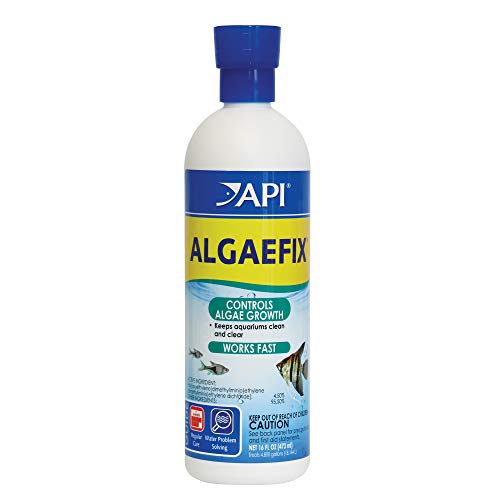
Contains one (1) API ALGAEFIX Algae Control 16-Ounce Bottle

CONTROLS ALGAE GROWTH: Removes existing algae from aquarium water and controls the formation of new algae in your tank.

POWERFUL ALGAE REMOVER FOR FISH TANK: MICROBE-LIFT Algaway 5.4 delivers fast-acting aquarium algae control; It eliminates green water, hair algae, and string algae to improve water clarity and reduce odor; EPA Registered for safety and reliability
Understanding Brown Algae
Brown algae, often a problem in aquariums, can disrupt the beauty of your aquatic setup. This section explores what brown algae is and the causes behind its growth.

Contains one (1) API ALGAEFIX Algae Control 4-Ounce Bottle
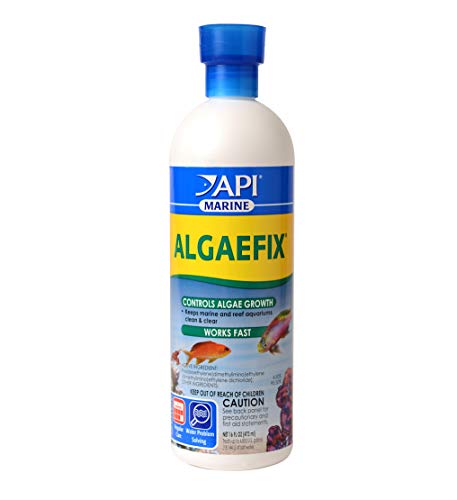
Contains one (1) API MARINE ALGAEFIX Algae Control 16-Ounce Bottle

Highly Effective Algaecide: Fast-acting, broad-spectrum algae remover effective in controlling many different types of algae including green water algae, string or hair algae, and blanketweed.
What Is Brown Algae?
Brown algae consists of small, typically brownish-yellow microorganisms. They often form a slimy layer on surfaces, including glass, rocks, and decorations. While they are a natural part of many aquatic environments, in excess, they can make your aquarium appear unattractive. These organisms thrive in low-light conditions, making them common in newly set-up tanks or poorly lit environments.
Causes of Brown Algae Growth
Several factors contribute to brown algae proliferation:
- Excess Nutrients: High levels of nitrates and phosphates from fish waste, uneaten food, or decaying organic matter promote growth.
- Low Light Levels: Insufficient lighting hampers the growth of beneficial plants, allowing brown algae to flourish.
- New Aquariums: New tanks often undergo a cycling process, leading to an imbalance in water chemistry. This imbalance can result in a brown algae outbreak.
- Poor Water Circulation: Restricted water movement can create stagnant areas where brown algae thrive.
- High Silica Levels: Silica often enters an aquarium through substrate, decorations, or tap water, providing a nutrient source for brown algae.
By recognizing these factors, you can take steps to reduce brown algae growth in your aquarium and maintain an appealing underwater environment.
Prevention Strategies
Preventing brown algae requires a proactive approach. By maintaining optimal conditions in your aquarium, you can minimize future outbreaks.
Maintaining Optimal Water Conditions
Regularly test the water parameters, including ammonia, nitrites, nitrates, and phosphates. Aim for zero ammonia and nitrites, while keeping nitrates below 20 ppm and phosphates lower than 0.5 ppm.
Perform weekly water changes of at least 10-15% to remove excess nutrients.
Use a good quality water conditioner to remove chlorine and heavy metals, ensuring a healthier environment.
Control the number of fish in your aquarium to reduce waste and limit overfeeding. Keep the fish stock at a level that your filtration system can manage.
Proper Lighting Considerations
Adjust lighting duration to 8-10 hours daily. Consider using a timer to maintain a consistent schedule.
Choose lighting that suits your tank’s specific needs. LEDs can provide sufficient light for plant growth while minimizing algae proliferation.
Increase the intensity or add more lighting if you have live plants, as healthy plants compete with algae for nutrients. Monitor and adjust as necessary to avoid excessive light that encourages brown algae growth.
Effective Removal Techniques
Eliminating brown algae from your aquarium requires strategic actions. Both manual methods and chemical treatments can effectively address this issue.

100% dedicated to performance and clean environment


Strong Magnetic Cleaner Brush: This magnetic aquarium glass cleaner has a strong magnetic suction, designed for cleaning fish tanks, it will not fall off randomly when cleaning, so that you can easily clean the aquarium dirt or algae. Even if you do not use it, magnet cleaning tool can be firmly affixed to the corner of the tank does not take up space, suitable for tanks 0.12 to 0.25 inch thick
Manual Removal Methods
- Scrubbing Surfaces: Use an algae scrubber or sponge to carefully remove brown algae from glass, decorations, and rocks. Scrub lightly to avoid damaging surfaces.
- Vacuuming Substrate: When performing water changes, consider using a gravel vacuum. This tool sucks up waste and algae from the substrate, preventing further buildup.
- Cleaning Equipment: Regularly clean filters and equipment. This prevents clogging and maintains good water circulation, which is essential for controlling algae growth.
- Increasing Maintenance: Increase the frequency of water changes. Changing 10-15% of the water weekly helps remove excess nutrients that fuel brown algae.
- Algaecides: Consider using a commercial algaecide specifically designed for aquariums. Follow the manufacturer’s instructions carefully to avoid harm to fish and plants.
- Phosphate Removers: Use a phosphate-removal product to lower phosphate levels in your tank. High phosphate levels contribute to algae growth, so reducing them limits future outbreaks.
- Activated Carbon: Add activated carbon to your filter. It removes impurities, including nutrients that encourage brown algae, improving overall water quality.
- Beneficial Bacteria: Introduce beneficial bacteria products to the aquarium. These bacteria help break down excess nutrients, making it more difficult for algae to thrive.
Implementing these techniques enhances your aquarium’s health and appearance, ensuring a vibrant aquatic scene.
Long-Term Solutions
Implementing long-term solutions for brown algae eradication creates a healthier, more vibrant aquarium. Consider introducing algae-eating inhabitants and adopting routine maintenance practices to manage algae effectively.
Introducing Algae-Eating Inhabitants
Adding specific algae-eating species can significantly help control brown algae. Choose from these popular options:
- Otocinclus Catfish: These small fish are excellent algae grazers. They thrive in groups and can efficiently clean surfaces.
- Nerite Snails: Known for their nibbling habits, nerite snails consume brown algae without harming plants.
- Amano Shrimp: These shrimp not only eat algae but also add dynamic movement to your tank.
- Siamese Algae Eaters: These active fish tackle various types of algae, including brown varieties, making them a valuable addition.
Introduce algae-eating inhabitants gradually to ensure they acclimate well and don’t overcompete with existing species.
Routine Maintenance Practices
Regular maintenance practices play a crucial role in preventing brown algae from returning. Follow these essential routines:
- Water Testing: Test water parameters weekly, checking for ammonia, nitrites, nitrates, and phosphates. Aim to keep nutrients at optimal levels.
- Water Changes: Perform 25-30% water changes weekly to remove excess nutrients that feed algae.
- Filter Cleaning: Clean filters and equipment monthly to ensure proper water circulation and help eliminate detritus buildup.
- Substrate Vacuuming: Vacuum the substrate during water changes to remove organic waste that may contribute to algae growth.
- Lighting Adjustment: Maintain an 8-10 hour lighting schedule. Adjust the intensity if needed, focusing on plant-friendly spectrums to bolster healthy plant growth.
By consistently applying these long-term solutions, you create an environment less conducive to brown algae, ensuring your aquarium stays beautiful and balanced.
Conclusion
Getting rid of brown algae in your aquarium doesn’t have to be a daunting task. By understanding the causes and implementing the right strategies you can keep your tank looking vibrant and healthy. Regular maintenance and monitoring are key to preventing excessive growth.
Consider introducing algae-eating species to help control the problem naturally. With a little effort and attention to detail you’ll create a balanced environment that showcases the beauty of your aquatic life. Remember it’s all about finding the right balance to keep both your fish and plants thriving. Happy fishkeeping!
Frequently Asked Questions
What causes brown algae in aquariums?
Brown algae thrive due to several factors, including excess nutrients from fish waste, low light levels, the cycling process in new tanks, poor water circulation, and high silica levels. These conditions help create an environment conducive to algae growth, leading to an unappealing tank appearance.
How can I prevent brown algae from growing?
To prevent brown algae, maintain optimal water conditions by regularly testing parameters, performing weekly water changes, and using quality water conditioners. Control fish numbers, limit feeding, and provide appropriate lighting to promote healthy plant growth that competes with algae.
What are effective methods for removing brown algae?
Effective removal methods include scrubbing surfaces with an algae scrubber, vacuuming the substrate during water changes, and maintaining clean filters. Additionally, increasing the frequency of water changes can help eliminate excess nutrients, while chemical treatments like algaecides and phosphate removers may also be effective.
Are there natural solutions for brown algae control?
Yes, introducing algae-eating species like Otocinclus Catfish, Nerite Snails, Amano Shrimp, and Siamese Algae Eaters can help control brown algae naturally. Coupled with consistent maintenance and routine water testing, these inhabitants can contribute to a healthier aquarium ecosystem.
How often should I change the water in my aquarium?
It is recommended to perform water changes of 25-30% weekly to maintain good water quality. Regular water changes help remove excess nutrients and waste buildup, which can contribute to brown algae growth and overall tank health.
