

Have you noticed white spots on your aquarium glass or a buildup of minerals on your plants? If you’re dealing with hard water in your aquarium, you’re not alone. Many fishkeepers face this issue, and it can lead to stress for your aquatic friends and unsightly tank conditions.
Key Takeaways
- Understanding Hard Water: Hard water results from high levels of minerals like calcium and magnesium, affecting the health of your aquarium’s inhabitants.
- Identifying Hardness Levels: Regular testing using test strips or liquid kits is essential to monitor water hardness, helping you create an optimal environment for various fish species.
- Effective Treatment Methods: Both chemical solutions (like water softeners and reverse osmosis systems) and natural methods (such as driftwood and peat moss) can help reduce water hardness.
- Preventative Practices: Implementing routine water changes, testing, and careful substrate selection will help prevent hards water issues and maintain a balanced aquatic ecosystem.
- Monitoring Fish Behavior: Pay attention to any changes in your fish’s behavior, as stress may indicate fluctuations in water quality, prompting necessary adjustments.
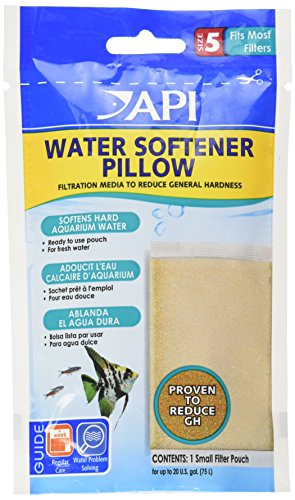
Contains one (1) API WATER SOFTENER PILLOW Aquarium Canister Filter Filtration Pouch 1-Count Bag

Contains one (1) API PROPER pH 7.0 Freshwater Aquarium Water pH Stabilizer 8.8-Ounce Container Use exclusively in freshwater aquariums that DO NOT contain live plants

Contains one (1) API STRESS COAT Aquarium Water Conditioner 16-Ounce Bottle
Understanding Hard Water in Aquariums
Hard water poses a challenge for aquarium owners. It results in elevated levels of minerals, primarily calcium and magnesium. Understanding this issue helps you take appropriate measures to create a healthier environment for your aquatic pets.
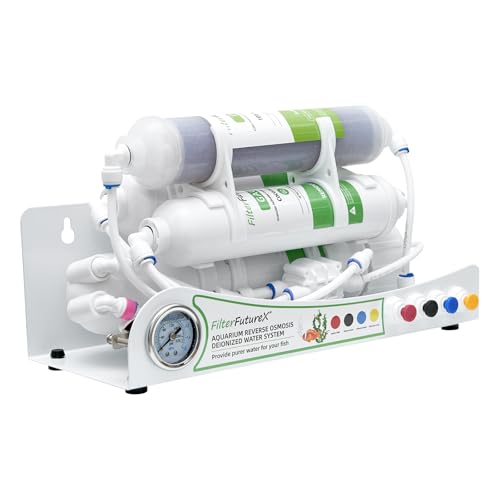
Professional 4-Stage Precision Filtration for Sensitive Aquatic Creatures: Adopts 4-stage filtration with PP cotton, activated carbon, RO reverse osmosis membrane and DI deionization resin. The front filter elements efficiently remove sediment, chlorine and organic matter; the RO membrane filters out up to 99% of soluble impurities and heavy metals; the DI resin adsorbs residual ions to produce ultra-pure water, suitable for sensitive creatures such as corals and crystal shrimp

4 Stage Reverse Osmosis Water Filtration System: This unit is suitable for apartments, RVs, business travel, vacation, yacht, boat, mobile home or anywhere you need pure water. Special design for aquariums use or drinking water solution
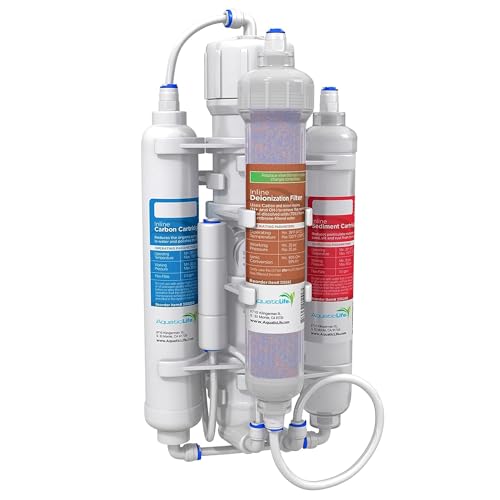
CLEAN, FILTERED WATER FOR AQUARIUMS: The Aquatic Life RO Buddie 4-Stage RO/DI water filter system for aquarium uses reverse osmosis to remove debris from tap water to give you clean water for your fish tanks, humidifiers, fountains, and more.
Causes of Hard Water
Hard water arises from several factors.
- Source Water: Tap water often contains natural minerals. Water from wells usually has higher mineral content.
- Local Geography: Areas with limestone or chalk deposits create harder water. This geological makeup affects local aquifers.
- Evaporation: Water evaporation concentrates minerals in your aquarium. This process leads to increased hardness over time.
Effects on Aquatic Life
Hard water impacts your aquarium’s ecosystem.
- Stress in Fish: Fish may experience stress in hard water. They struggle to osmoregulate, leading to health issues.
- Plant Growth: Plants might also suffer. Hard water can hinder nutrient absorption, impacting growth and vitality.
- Mineral Accumulation: Excessive minerals may lead to calcification on decorations and glass. This buildup detracts from the tank’s appearance.
Understanding these causes and effects helps you manage hard water effectively, promoting a thriving aquatic environment.
Identifying Hard Water Levels
Identifying hard water levels in your aquarium is crucial for maintaining a healthy environment for your aquatic life. Testing your water accurately provides insight into the mineral content and helps you address any potential issues.
Testing Your Aquarium Water
Testing your aquarium water involves using reliable methods to measure hardness. You can use both test strips and liquid test kits.
- Test Strips: These are simple to use. Dip the strip into the water, wait for the color to develop, and compare it to the chart provided with the strips. Most strips show general hardness (GH) and carbonate hardness (KH).
- Liquid Test Kits: These kits offer more precise results. Follow the instructions for adding reagents to a water sample. The color change indicates specific hardness levels, making this method more reliable than strips.
It’s best to test your water weekly or biweekly, especially after water changes or if you notice any changes in your fish’s behavior.
Interpreting Hardness Levels
Interpreting water hardness levels helps you understand the suitability of your aquarium environment. General hardness (GH) is measured in parts per million (ppm) or degrees of hardness (dGH).
- 0-60 ppm (0-3 dGH): Very soft water, ideal for sensitive species like bettas and neon tetras.
- 61-120 ppm (3-6 dGH): Moderately soft to hard water, suitable for most freshwater species.
- 121-180 ppm (6-9 dGH): Hard water, good for fish like cichlids that thrive in higher mineral content.
- Above 180 ppm (9 dGH): Very hard water. Species that need such conditions include some types of goldfish and certain marine fish.
You can enhance your understanding by correlating hardness levels with specific species’ preferences, ensuring that you meet your aquatic pets’ needs. Regular monitoring can lead to more proactive maintenance and adjustments to your tank’s ecosystem.
Methods to Fix Hard Water Aquarium
Managing hard water in your aquarium involves several effective methods. Both chemical treatments and natural solutions can help create a healthier environment for your fish and plants.
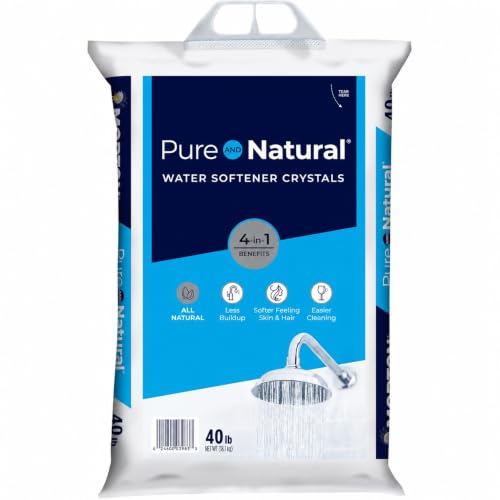
ALL NATURAL CRYSTALS: Pure and Natural Water Softener Crystals are made from all-natural salt, free from additives and unnecessary chemicals.
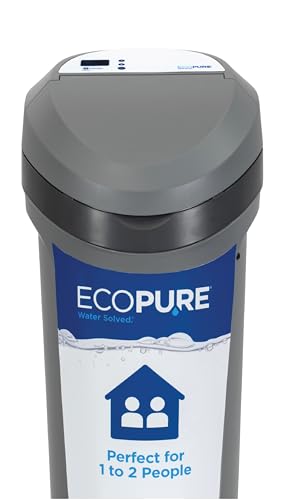
AutoSense AI Salt Efficiency: Advanced demand-based regeneration delivers the same soft water performance as demand based 32,000-grain systems while using up to 40% less salt, helping reduce long-term operating costs

💧【 PERFECTLY DESIGNED FOR 3-4 BATHROOMS 】The Aquasure Harmony Series is the professional grade water softener that delivers ultra-softened water to every outlet throughout your entire home.
Chemical Treatments
Chemical treatments offer a quick way to address hard water. You can use water softeners designed specifically for aquariums. These products often contain ion-exchange resins that reduce mineral content, particularly calcium and magnesium.
- Water Softeners: Add according to product instructions. Regularly monitor water hardness after use to ensure effectiveness.
- Reverse Osmosis (RO) Systems: Install an RO system to filter out minerals before adding water to your tank. This method typically yields softer water, ideal for sensitive species.
- Aquarium Salt: Use with caution. Some salts can affect water hardness. Test your water regularly if using this method to avoid detrimental effects on fish and plants.
Natural Solutions
Natural solutions, while slower, contribute to a balanced ecosystem. These methods often improve water quality without introducing chemicals.
- Driftwood: Add driftwood to your aquarium. It releases tannins, which can lower water hardness and create a more acidic environment.
- Peat Moss: Use peat moss in your filter or directly in the substrate. As it breaks down, peat lowers pH and reduces hardness levels.
- Live Plants: Incorporate live plants like Java Fern or Anubias. These plants absorb minerals and help regulate water chemistry over time.
- Regular Water Changes: Perform frequent water changes with distilled or rainwater. This practice dilutes the existing minerals, gradually softening the water.
Implementing these methods will significantly enhance the quality of your aquarium. Regularly monitor your water parameters, adjusting your approach as needed to maintain a healthy habitat for your aquatic life.
Preventing Hard Water Issues
Preventing hard water issues in your aquarium involves consistent care and proactive measures. Using effective strategies helps maintain a healthy environment for your aquatic life.
Regular Maintenance Tips
- Test Water Regularly: Test your aquarium water every week or biweekly to monitor hardness levels. Use reliable test strips or liquid kits tailored for aquariums.
- Perform Water Changes: Change 10-20% of the water weekly. Use distilled or rainwater to dilute minerals from tap water.
- Clean Equipment: Regularly clean heaters, filters, and decorations to remove mineral deposits. Use a soft brush or vinegar solution for safe cleaning.
- Monitor Evaporation: Top off evaporated water with pre-treated water instead of adding new sources. This practice prevents mineral buildup from concentrated evaporation.
- Watch Fish Behavior: Pay attention to any changes in fish behavior. Signs of stress might indicate fluctuations in water quality.
- Select Neutral Substrates: Choose substrates like sand or gravel that don’t leach minerals. Avoid limestone or aragonite substrates, which can raise hardness levels.
- Utilize Natural Decor: Incorporate driftwood and peat moss, which can help soften water naturally. Their tannins lower pH and contribute to a balanced tank environment.
- Incorporate Live Plants: Include live aquatic plants that consume minerals and absorb nutrients. Fast-growing species, like Hornwort and Water Sprite, improve overall water quality.
- Opt for Safe Decorations: Avoid decorative items that dissolve, such as some types of coral or shells. These can significantly increase hardness over time.
Implementing these strategies can effectively prevent hard water issues in your aquarium, ensuring a thriving habitat for your fish and plants.
Conclusion
Managing hard water in your aquarium doesn’t have to be a daunting task. By staying proactive and regularly testing your water, you can create a healthier environment for your fish and plants. Implementing both chemical and natural solutions can help you maintain balanced water conditions while enhancing the beauty of your tank.
Remember to monitor your aquarium closely and make adjustments as needed. With a little effort and attention, you’ll ensure a thriving habitat where your aquatic life can flourish. Enjoy your journey as an aquarium keeper and watch your underwater world thrive!
Frequently Asked Questions
What is hard water in aquariums?
Hard water in aquariums contains high levels of minerals, primarily calcium and magnesium. It often results in white spots on glass and mineral buildup on plants, leading to poor aesthetics and potential stress for fish.
How does hard water affect fish?
Hard water can cause stress in fish, as it may not match their natural habitat conditions. Over time, this stress can weaken fish health, making them more susceptible to disease and affecting their overall well-being.
What causes hard water in aquariums?
Hard water is caused by the mineral content of source water, local geography (like limestone), and evaporation that concentrates minerals. These factors contribute to elevated levels of calcium and magnesium in the water.
How can I test my aquarium water for hardness?
You can test aquarium water hardness using test strips or liquid test kits, which can give you a clear reading of mineral levels. It’s recommended to test weekly or biweekly, especially after significant changes in the tank.
What methods can I use to manage hard water in my aquarium?
To manage hard water, consider chemical treatments like water softeners and reverse osmosis systems, or natural solutions like adding driftwood and live plants. Regular water changes with distilled or rainwater can also help maintain balance.
How often should I change my aquarium water?
Performing water changes of 10-20% every week or biweekly is ideal. Regular changes help manage hardness levels, remove toxins, and maintain a stable environment for your aquatic pets.
What are some preventive measures for hard water issues?
To prevent hard water issues, monitor evaporation, select neutral substrates, use natural decor like driftwood, and conduct regular water quality testing. Adding live plants can also enhance water conditions over time.
Why is it important to monitor water hardness?
Monitoring water hardness is essential to create a healthy environment for fish. Understanding hardness levels allows you to make informed adjustments, ensuring the well-being of your aquatic pets and preventing stress-related issues.
