

Wondering if your aquarium is cycled? You’re not alone. Many new aquarium owners face the same question, often feeling anxious about whether their fish are safe and healthy. A properly cycled tank is essential for maintaining a stable environment, but figuring out if yours is ready can be tricky.
Key Takeaways
- Understanding Aquarium Cycling: Cycling is crucial for establishing beneficial bacteria that break down toxic waste, ensuring a stable environment for fish.
- Key Indicators of Cycling: Monitor ammonia and nitrite levels, which should reach zero, while nitrates should be between 5-40 ppm, indicating a fully cycled aquarium.
- Testing Equipment: Utilize reliable test kits or digital meters to regularly check water parameters, including ammonia, nitrites, nitrates, pH, and temperature.
- Cycling Methods: Use either fish-in or fishless cycling methods. Fishless cycling is generally faster and safer for aquatic life.
- Common Issues: Be vigilant for ammonia spikes, nitrite accumulation, and high nitrate levels. Regular maintenance and monitoring can prevent these problems.
- Patience is Essential: Allow time for the tank to cycle properly before introducing fish, as rushing the process can lead to harmful conditions for your pets.

Easy to Use Ammonia Test Strips:This ammonia aquarium test strips make aquarium water testing effortless. Dip the strips, wait 2 minutes, and compare the colors for precise results. Easy and accurate for all fish pet keepers

Contains one (1) API AMMONIA TEST STRIPS Freshwater and Saltwater Aquarium Water Test Strips 25-Test Box

Contains one (1) API FRESHWATER MASTER TEST KIT 800-Test Freshwater Aquarium Water Master Test Kit, including 7 bottles of testing solutions, 1 color card and 4 tubes with cap
Understanding Aquarium Cycling
You must grasp the concept of aquarium cycling to create a healthy environment for your fish. Cycling establishes beneficial bacteria that break down toxic waste, creating a stable ecosystem.
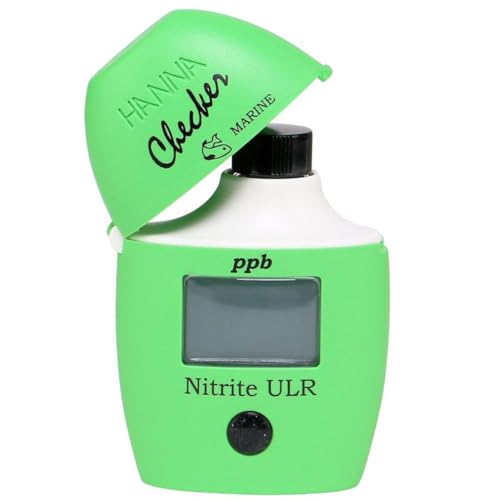
The Hanna HI764 is an ultra-low range nitrite checker that utilizes ultraviolet radiation to accurately measure nitrite levels.

TRACK SALINITY to keep your aquarium healthy and stable

🐠 Safe Material & Unique Design: Made of durable Acrylic, this Fish Tank Test Kit salinity Hydrometer is designed with an automatic level function
What Is Aquarium Cycling?
Aquarium cycling refers to the process of cultivating beneficial bacteria in your aquarium. These bacteria convert harmful ammonia from fish waste into nitrites, then into less harmful nitrates. This biological filtration system is crucial for maintaining water quality. You can cycle your aquarium in several ways, including fishless cycling or cycling with hardy fish.
Importance of Cycling Your Aquarium
Cycling your aquarium is essential for several reasons:
- Stability: A cycled aquarium maintains stable water parameters, reducing stress on your fish.
- Health: Proper cycling prevents toxic spikes in ammonia and nitrites, promoting the health and longevity of your aquatic pets.
- Ecosystem Balance: Cycling helps establish a balanced ecosystem, allowing beneficial bacteria to thrive and ensuring your tank functions efficiently.
Make it a priority to cycle your aquarium before adding fish to create a safe and thriving habitat.
Signs Your Aquarium Is Cycled
Identifying whether your aquarium is fully cycled involves monitoring specific water parameters. Here are the key indicators you should observe.
Ammonia Levels
Ammonia levels should drop to zero within your aquarium environment. High ammonia indicates it’s not cycled yet and can harm your fish. Use a reliable test kit to monitor these levels weekly. If you see zero ppm (parts per million), that’s a clear sign beneficial bacteria are converting ammonia efficiently.
Nitrite Levels
Nitrite levels also need to reach zero. Initially, you might see nitrites spike after ammonia drops, but they must eventually clear. Testing for nitrites can show you if the nitrogen cycle is complete. A consistent reading of zero ppm indicates that your beneficial bacteria are working effectively to convert nitrites into nitrates.
Nitrate Levels
Nitrate levels provide insight into the final stage of cycling. You should notice nitrates present if the cycle is established, typically between 5-40 ppm. Nitrates are less harmful compared to ammonia and nitrites, and they indicate that beneficial bacteria are thriving. Regular water changes help manage nitrate levels to prevent excessive buildup. If you see sustained nitrates in this range, your aquarium is likely cycled and ready for fish.
Monitoring these parameters consistently helps ensure your aquarium environment is stable and safe for aquatic life.
Testing Your Aquarium
Monitoring your aquarium’s water parameters is crucial for determining if it’s cycled. Using appropriate test kits provides clear insights into the health of your aquarium.
Test Kits and Equipment
- Aquarium Test Kits: Use reliable liquid test kits or test strips specifically designed for freshwater or saltwater aquariums. Look for kits that measure ammonia, nitrites, and nitrates.
- Digital Meters: Consider using digital meters for precise readings. These tools offer ease of use and quick results.
- Temperature Thermometer: Ensure you also monitor the water temperature. Abnormal temperatures can affect bacteria growth.
- pH Test Kits: Testing pH helps maintain a suitable environment for fish. Most freshwater fish thrive in pH 6.5 – 7.5.
- Ammonia Level: An ideal reading is 0 ppm. If ammonia is present, cycling is incomplete, and toxic conditions exist.
- Nitrite Level: Look for levels at or near 0 ppm. After an initial spike, a return to zero indicates the nitrogen cycle is functioning properly.
- Nitrate Level: Nitrates should ideally range between 5-40 ppm. Levels above this suggest the need for partial water changes to prevent toxicity.
- pH Level: Confirm the pH remains stable within the desired range. Fluctuations can stress fish and hinder beneficial bacteria.
Regularly testing your aquarium helps ensure a healthy environment. Continuous monitoring provides reassurance that your aquarium is cycled and ready for fish.
Common Cycling Methods
Cycling an aquarium can be done through several effective methods. Each method has its pros and cons, influencing how quickly your tank becomes stable.

Professional Quality Testing Kit: The AAwipes Aquarium test kit (50 strips) is developed by experts for fish enthusiasts. It offers 8-in-1 testing capabilities, made with high-quality fiber paper and non-bleeding colors. The kit measures key parameters like Free Chlorine, Nitrate, Nitrite, Hardness, Sodium Chloride, Total Alkalinity, pH and Ammonia nitrogen. By identifying potential issues, our fish tank testing kit helps prevent hidden water problems and ensures the safety and well-being of your fish.

Professional Quality Testing Kit: The AAwipes Aquarium test kit (25 strips) is developed by experts for fish enthusiasts. It offers 8-in-1 testing capabilities, made with high-quality fiber paper and non-bleeding colors. The kit measures key parameters like Free Chlorine, Nitrate, Nitrite, Hardness, Sodium Chloride, Total Alkalinity, pH and Ammonia nitrogen

Contains one (1) API 5-IN-1 TEST STRIPS Freshwater and Saltwater Aquarium Test Strips 4-Count Box
Fish-in Cycling
Fish-in cycling involves adding fish to the tank while establishing beneficial bacteria. This method allows you to monitor how the fish react as the tank cycles.
- Start with Hardy Fish: Choose resilient species, like Tetras or Guppies, that can tolerate fluctuations in water quality.
- Test Water Regularly: Monitor ammonia, nitrite, and nitrate levels frequently. Use reliable test kits to get accurate readings.
- Perform Water Changes: Change 10-20% of the water weekly to reduce toxins. This keeps your fish safer during the cycling process.
- Introduce Additional Fish Gradually: After noticing stable parameters for several weeks, consider adding more fish slowly to avoid overwhelming the new ecosystem.
Fishless Cycling
Fishless cycling eliminates the stress on fish by creating ammonia without using live animals. This method ensures that the bacteria develop without harming any aquatic life.
- Add Ammonia: Use pure ammonia (without additives) to raise levels to about 3-4 ppm. This simulates waste production.
- Monitor Bacteria Growth: Check for ammonia levels dropping to 0 ppm, which indicates that beneficial bacteria are forming.
- Test Nitrites: After ammonia drops, you’ll see nitrites rise, followed by a drop back to 0 ppm. This step confirms that the cycle is progressing.
- Introduce Nitrates: Once both ammonia and nitrites return to 0, nitrates should be detectable, achieving a fully cycled tank.
By utilizing either method, you can successfully establish a healthy aquarium without risking the wellbeing of your aquatic pets.
Troubleshooting Cycling Issues
Cycling your aquarium can pose challenges. Recognizing common problems and finding effective solutions ensures a smooth process.
Frequently Encountered Problems
- Ammonia Spikes
Ammonia levels might remain high. Overfeeding or overcrowding contributes to this issue. Monitor feeding habits and reduce the number of fish temporarily. - Nitrite Accumulation
Nitrite levels may spike unexpectedly. This can happen if the beneficial bacteria are not developing properly. Ensure adequate surface area in the filter or media for bacteria growth. - Nitrate Levels Too High
Nitrates can build up, impacting fish health. Regular water changes are vital in managing these levels. If you see high nitrates, perform a 25% water change. - Fluctuating pH Levels
pH levels might vary, affecting fish and bacteria. Test your water regularly to maintain stability. Use buffers if necessary to keep pH levels within the ideal range of 6.5-7.5. - Cloudy Water
Cloudiness can signal a bacteria bloom or leftover food. Adjust your feeding schedule and consider using a filter cleaner to clarify your water more quickly.
- Regular Testing
Test your aquarium water at least once a week. Use reliable test kits for ammonia, nitrite, and nitrate levels. This helps you stay informed about the tank’s condition. - Adjust Feeding Practices
Feed only what your fish can consume in 2-3 minutes. Avoid overfeeding to prevent excess waste that can spike ammonia levels. - Optimize Filtration
Ensure your filter is properly set up and efficient. Maintenance of the filter media is critical for bacteria growth and overall water quality. - Control Stocking Levels
Avoid adding too many fish at once. Be gradual with increases in fish population, allowing beneficial bacteria to keep pace. - Patience Is Key
Cycling takes time. Stay patient and resist the urge to add fish too early. Monitor your parameters persistently to confirm the cycle is complete.
By addressing these common problems and implementing practical solutions, you can ensure your aquarium cycles effectively, creating a healthy environment for your aquatic pets.
Conclusion
Knowing your aquarium is cycled is key to creating a safe home for your fish. By regularly testing your water parameters and observing those crucial changes in ammonia, nitrite, and nitrate levels, you can feel confident in your tank’s health.
Remember to be patient during this process. Whether you choose fish-in or fishless cycling, it’s all about nurturing that beneficial bacteria. Keep an eye on your water quality and don’t rush into adding fish too soon.
With time and care, you’ll enjoy a thriving aquatic environment that brings joy to your home. Happy fishkeeping!
Frequently Asked Questions
What does it mean to cycle an aquarium?
Cycling an aquarium refers to the process of establishing beneficial bacteria that break down toxic waste in the tank. This process is crucial as it converts harmful ammonia from fish waste into nitrites and then into less harmful nitrates, creating a stable and healthy environment for aquatic life.
How do I know if my aquarium is fully cycled?
A cycled aquarium shows specific water parameters: ammonia levels should be at 0 ppm, nitrite levels should be back to 0 ppm after an initial spike, and nitrates should ideally range between 5-40 ppm. Regular testing will help confirm these conditions.
What are common methods for cycling an aquarium?
The two primary methods for cycling an aquarium are fish-in cycling and fishless cycling. Fish-in cycling involves introducing hardy fish to help establish bacteria, while fishless cycling uses pure ammonia to simulate fish waste. Both methods foster beneficial bacteria without harming aquatic life.
Why is testing water parameters important?
Regular water testing is essential to ensure your aquarium is cycled and to monitor ammonia, nitrite, and nitrate levels. Reliable testing helps maintain a healthy environment for fish, ultimately leading to a thriving aquatic ecosystem.
What should I do if my tank has high ammonia levels?
If your tank shows high ammonia levels, reduce feeding, optimize filtration, and perform regular water changes. These actions can help lower ammonia levels while you monitor the cycling process, ensuring a safer environment for your fish.
