

Have you ever wondered why your aquarium’s water flow sometimes seems off? It could be due to a small but vital component: the check valve. These little devices play a crucial role in maintaining the right water movement and keeping your aquatic environment healthy.
Imagine waking up to find your tank’s water level dropping because of a faulty pump. That’s where check valves come in. By preventing backflow, they ensure that water flows in the right direction, protecting your fish and plants from potential harm.
In this article, you’ll learn how these handy devices work and why they’re essential for every aquarium setup. Understanding check valves can help you create a thriving aquatic ecosystem and avoid common pitfalls.
Key Takeaways
- Essential Role: Aquarium check valves are crucial for ensuring proper water flow and preventing backflow, which helps maintain a healthy aquatic ecosystem.
- Mechanism of Action: Check valves operate by allowing water to flow in one direction while blocking backflow, thereby protecting fish, plants, and equipment.
- Types of Valves: Different types of check valves, such as ball, swing, diaphragm, and spool valves, cater to specific applications within aquarium systems.
- Selection Factors: When choosing a check valve, consider factors like size compatibility and material selection (plastic, brass, PVC) for optimal performance.
- Maintenance Tips: Regular inspection, cleaning, and timely replacement of check valves ensure efficient operation and the longevity of your aquarium setup.
- Troubleshooting: Be aware of common issues like backflow, reduced water flow, and noise, and know how to address them to maintain your aquarium’s health.

For Oxygen Pumps Only: Great 1-way check valve for most common aquarium air pumps. NOT suitable for CO2 or other high-pressure systems to avoid crack and leak.

Specially designed non-return valves will protect your air pump by preventing aquarium water from back siphoning during a power outage

For Oxygen Pumps Only: Great 1-way check valves for most common aquarium air pumps. DO NOT use them in CO2 or other high-pressure systems to avoid cracking or leakage.
Overview Of Aquarium Check Valves
Aquarium check valves are crucial for maintaining healthy water flow. They prevent backflow, ensuring water flows in one direction and protects the aquatic environment.

Dual size Universal Fit: This inline check valve is compatible with 3/4-inch and 1-inch diameter hoses and is equipped with 2 adjustable stop valves to ensure no leakage

#1 commercial-grade irrigation spray head brand in the world

[Multipurpose Use] - These aquarium check valve are designed for CO2 supply systems in aquariums and fish tanks. Attention: These check valves are suitable for use with high-power air pumps. If it is a small air pumps, it will not be applicable.
Importance In Aquatic Systems
Check valves serve several key purposes in your aquarium setup:
- Prevent Backflow: They stop water from flowing back into filters or pumps, which can lead to foul water entering your tank.
- Maintain Water Quality: By ensuring constant water movement, check valves help maintain oxygen levels and prevent stagnation.
- Protect Equipment: They safeguard pumps and filters from damage caused by unwanted water movement.
Common Applications
You’ll find check valves used in various aquarium-related applications:
- Air Pumps: Connect them to air pumps to prevent water from siphoning back.
- Water Filtration Systems: Use check valves in filtration setups to maintain proper water flow direction.
- Sump Systems: Employ check valves in sump applications to prevent overflow during power outages.
Understanding how check valves function and where they are used enhances your aquarium’s efficiency and keeps your aquatic life thriving.
Mechanism Of Action
Check valves are essential components in aquariums, ensuring proper water flow. They function by allowing water to flow in one direction while preventing backflow, safeguarding your fish and plants.
How Check Valves Function
Check valves operate through a simple yet effective mechanism. When water flows in the correct direction, it pushes against a disc or a ball inside the valve, lifting it and allowing water to pass. If the flow reverses, the weight of the disc or ball seals the opening, blocking any backflow. This action maintains steady water movement and prevents contamination.
For example, if you have an air pump connected to a check valve, the valve stops water from flowing back into the pump when it’s turned off, preventing damage and ensuring longevity.
Types Of Check Valves
Several types of check valves exist, each suited for different applications:
- Ball Check Valves: Feature a ball that rests in a seat, sealing the valve when backflow occurs. They’re commonly used in air pumps and simple water systems.
- Swing Check Valves: Utilize a hinged disc that swings open with forward flow and closes under backflow. These are ideal for larger pipelines and sump systems.
- Diaphragm Check Valves: Contain a flexible diaphragm that lifts to allow flow and seals against backflow. They’re beneficial in sensitive aquarium setups where consistent water quality is crucial.
- Spool Check Valves: Used mainly in complex hydraulic applications but can be found in specialized aquarium systems where precise flow control is needed.
Selecting the right type ensures optimal performance and the health of your aquarium’s ecosystem.
Factors To Consider
When selecting a check valve for your aquarium, a few key factors play a significant role in ensuring optimal performance. Evaluating these elements helps maintain a healthy aquatic environment.
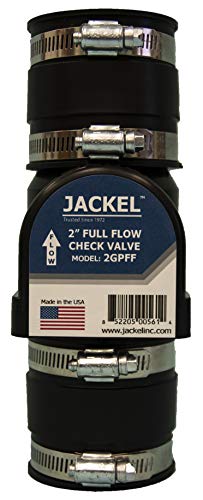
All stainless steel clamps

Schedule 40 PVC construction for strength and resistance to corrosion and mild chemicals

1-1/2 slip x slip unions
Size And Compatibility
Choosing the right size of a check valve is crucial. A valve too small can restrict flow, while one too large may function ineffectively. Measure the diameter of your tubing or pipe, ensuring compatibility to prevent leaks. Standard sizes include 1/2 inch, 3/4 inch, and 1 inch. Match your check valve with your system’s specifications for seamless integration.
Material Selection
Material choice impacts durability and performance. Common materials for check valves include plastic, brass, and PVC.
- Plastic Check Valves: Lightweight and resistant to corrosion, perfect for freshwater tanks.
- Brass Check Valves: Offer robustness and longevity, suitable for saltwater environments but may require regular cleaning to avoid corrosion.
- PVC Check Valves: Ideal for residential and commercial setups due to their strength and chemical resistance.
Consider your aquarium’s specific needs and environment when selecting the valve material.
Maintenance And Troubleshooting
Maintaining your aquarium check valves ensures their effective operation. Regular upkeep prevents issues and supports the overall health of your aquatic environment.
Regular Inspection Tips
- Check for Blockages: Examine the valves monthly for dirt or debris that might obstruct flow. Use a soft brush to clean any buildup.
- Inspect Seals: Look for wear or damage in the seals. Replace seals if you notice cracks or tears to maintain proper function.
- Monitor Functionality: Test the valve’s opening and closing action by observing water flow. Ensure the valve opens easily with forward flow and seals completely when flow reverses.
- Replace Annually: Consider replacing check valves after one year of use, as wear can reduce efficiency over time.
- Keep Spare Parts Handy: Store spare check valves or repair kits to address issues quickly if they arise.
- Backflow Occurs: If water flows backward, inspect the valve for blockage or damage. Clean or replace the valve as needed.
- Reduced Water Flow: Sluggish flow might be due to debris buildup. Clean the valve and check the hose for kinks.
- Noise From Valves: Excessive noise may indicate a loose fitting. Tighten connections to minimize vibrations.
- Frequent Failures: If the valve fails often, reassess the selected type for your application. Ensure it’s suited for the specific pressure and flow requirements of your system.
- Corrosion: In corrosive environments, check for signs of rust or wear on metal valves. Replace with a more compatible material like PVC or plastic.
These maintenance and troubleshooting tips will help keep your aquarium check valves functioning efficiently, promoting a healthy aquatic environment.
Conclusion
Understanding how check valves work is key to maintaining a healthy aquarium. By ensuring water flows in the right direction you’re protecting your fish and plants from potential harm.
Choosing the right type and size of check valve can make a big difference in your aquarium’s ecosystem. Regular maintenance will keep them functioning smoothly and help you avoid common issues.
With the right knowledge and care you can create a thriving aquatic environment that brings joy and beauty to your space. So go ahead and make those check valves a priority in your aquarium setup!
Frequently Asked Questions
What is a check valve and why is it important for aquariums?
A check valve is a device that prevents backflow in fluid systems. In aquariums, it is crucial because it ensures water flows in one direction, protecting the health of fish and plants by maintaining proper water movement and quality.
How do check valves work?
Check valves operate using a simple mechanism, typically a disc or ball that opens for forward flow and seals to block backflow. This allows water to move in a designated direction, preventing unwanted reverse flow.
What types of check valves are commonly used in aquariums?
Common types of check valves used in aquariums include ball check valves, swing check valves, diaphragm check valves, and spool check valves. Each type is suited for different applications based on their unique mechanisms.
How do I choose the right check valve for my aquarium?
Selecting the right check valve involves considering factors like size, compatibility, and material. Ensure the valve fits your system’s requirements to avoid flow issues, and use materials appropriate for your tank’s environment.
How often should I maintain or replace my check valve?
It’s recommended to inspect and maintain check valves regularly, checking for blockages and wear. Replace them annually to ensure optimal performance and keep spare parts available for emergencies.
What common problems can occur with check valves?
Common check valve issues include backflow, reduced water flow, noise, frequent failures, and corrosion. Regular checks and maintenance can help identify and resolve these issues before they affect your aquarium’s health.
