

Are your fish looking a bit sluggish? High levels of nitrates and nitrites could be the culprit. These compounds can build up in your aquarium, leading to stress and health issues for your aquatic friends. If you’ve noticed cloudy water or algae blooms, it’s time to take action.
Key Takeaways
- Understand Nitrates and Nitrites: Recognize that these compounds are critical indicators of water quality in aquariums and can affect fish health when levels are too high.
- Monitor Water Levels Regularly: Use a reliable test kit to keep nitrate levels below 40 ppm and nitrite levels at 0 ppm to ensure a healthy environment for your fish.
- Identify Common Causes: Be aware that overfeeding fish and inadequate filtration are primary sources of elevated nitrate and nitrite levels, and address these issues promptly.
- Implement Regular Water Changes: Perform weekly water changes of 10-25% to dilute harmful compounds and maintain a balanced ecosystem in the aquarium.
- Upgrade Filtration Systems: Consider enhancing your filtration system with biological, mechanical, and chemical filtration to effectively manage waste and improve water quality.
- Utilize Natural Solutions: Incorporate live plants and beneficial bacteria to naturally absorb nitrates and promote a healthier nitrogen cycle in your aquarium.

Contains one (1) API NITRITE TEST KIT 180-Test Freshwater and Saltwater Aquarium Test Kit, including 1 bottle of testing solution, 1 color card and 1 test tube with cap

Professional Quality Testing Kit: The AAwipes Aquarium test kit (50 strips) is developed by experts for fish enthusiasts. It offers 8-in-1 testing capabilities, made with high-quality fiber paper and non-bleeding colors. The kit measures key parameters like Free Chlorine, Nitrate, Nitrite, Hardness, Sodium Chloride, Total Alkalinity, pH and Ammonia nitrogen. By identifying potential issues, our fish tank testing kit helps prevent hidden water problems and ensures the safety and well-being of your fish.

5-in-1 Master Test Kit: Monitor all 5 critical water parameters – pH, nitrite, nitrate, ammonia, and phosphate – in one comprehensive aquarium test kit. The rigorous analysis helps you maintain an ideal haven for your aquatic friends
Understanding Nitrates and Nitrites in Aquariums
Nitrates and nitrites are key components in an aquarium’s water chemistry. Understanding their roles helps maintain a healthy environment for your fish.

Professional Quality Testing Kit: The AAwipes Aquarium test kit (25 strips) is developed by experts for fish enthusiasts. It offers 8-in-1 testing capabilities, made with high-quality fiber paper and non-bleeding colors. The kit measures key parameters like Free Chlorine, Nitrate, Nitrite, Hardness, Sodium Chloride, Total Alkalinity, pH and Ammonia nitrogen

𝗛𝗼𝗺𝗲 𝗔𝗾𝘂𝗮𝗿𝗶𝘂𝗺 𝗪𝗮𝘁𝗲𝗿 𝗧𝗲𝘀𝘁 𝗞𝗶𝘁 - Ensure the health of your fish with aquarium water testing kit & ammonia test strips for fish tank. This complete freshwater & saltwater tank test kit provides a reliable water tester for ammonia, pH, iron, chlorine, total hardness (GH), carbonate, nitrate, nitrite, total alkalinity, copper, and temperature, allowing you to have a complete understanding of your aquarium water quality. Trusted by fish enthusiasts, it adapts to your needs, making it an essential tool for aquarium care.
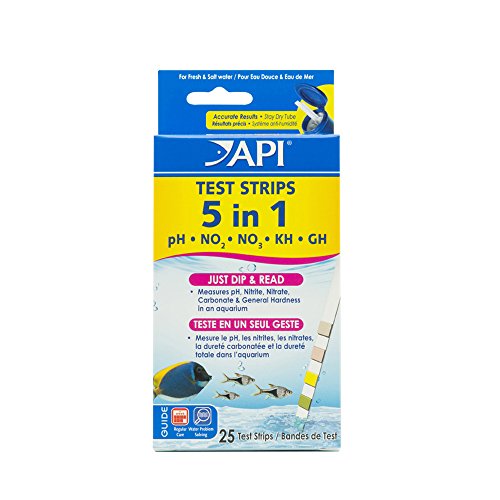
Contains one (1) API 5-IN-1 TEST STRIPS Freshwater and Saltwater Aquarium Test Strips 25-Count Box
The Nitrogen Cycle
The nitrogen cycle describes the process of how ammonia, produced from fish waste and uneaten food, converts into nitrites and then nitrates. Step-by-step:
- Ammonia forms from biological waste.
- Nitrosomonas bacteria convert ammonia into nitrites.
- Nitrobacter bacteria further convert nitrites into nitrates.
Healthy bacteria populations help maintain this cycle, reducing toxic substances in your aquarium.
Importance of Monitoring Levels
Regularly checking nitrate and nitrite levels ensures fish health. High levels can cause stress, which leads to disease. Use a reliable test kit to monitor:
- Nitrates should stay below 40 ppm.
- Nitrites should be at 0 ppm.
Taking action when levels rise keeps your aquarium thriving. Reducing feeding and increasing water changes can swiftly improve conditions.
Common Causes of High Nitrate and Nitrite Levels
High nitrate and nitrite levels often arise from a few common sources. Understanding these causes helps you take effective action to maintain water quality.
Overfeeding Fish
Overfeeding leads to excess waste in the aquarium. Uneaten food decomposes, raising nitrate and nitrite levels. Reducing food quantity helps control these levels. Feed your fish only what they can consume in a few minutes once or twice daily.
Inadequate Filtration
Insufficient filtration contributes to the buildup of harmful compounds. Filters remove waste and promote beneficial bacteria. Ensure your filter is appropriately sized for your tank. Regular maintenance, such as cleaning or replacing filter media, keeps water clean and safe for your fish. Aim for a filter that circulates the tank’s volume at least 4 times per hour.
Effective Methods to Lower Nitrate and Nitrite
Lowering nitrate and nitrite levels in your aquarium is essential for the health of your fish. Here are effective methods to achieve this.
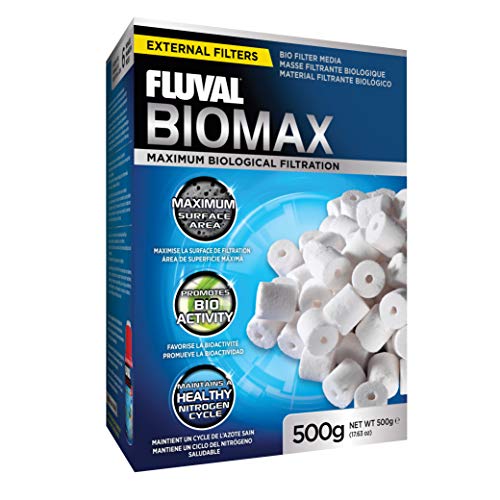
Filter Compatibility: Compatible with Fluval Filter Series 106, 206, 306, 406, FX5, FX6, 105, 205, 305, 405, 104, 204, 304, and 404.

Filtration Enhancement: Natural quartz balls help improve water clarity by supporting mechanical filtration; optimizing filtration efficiency

Efficient Biological Filtration: This 100 pcs aquarium bio balls filter media features a porous design with an inner sponge core, creating increased surface area for biological filtration and supporting stable water conditions in freshwater and saltwater aquarium systems
Regular Water Changes
Perform regular water changes to maintain low nitrate and nitrite levels. Change about 10-25% of the water weekly, depending on your tank’s bioload. Regular changes dilute harmful compounds and refresh essential minerals. Use a siphon to remove debris from the substrate during water changes. Test your water before and after changes to monitor improvements.
Upgrading Filtration Systems
Upgrade your filtration system for better water quality. Choose a filter rated for your tank size and type of fish. Consider filters that include biological, mechanical, and chemical filtration. Biological filters promote beneficial bacteria growth, which helps break down harmful substances. Regularly clean and replace filter media as needed. Consider adding a sponge filter or a canister filter for improved efficiency. A good filtration system significantly reduces nitrate and nitrite accumulation.
Natural Solutions for Nitrate and Nitrite Reduction
Lowering nitrates and nitrites in your aquarium can be achieved through natural methods that enhance water quality and support fish health.
Live Plants
Live plants offer a natural way to absorb nitrates from the water. You can include fast-growing aquatic plants like hornwort or duckweed. These plants utilize nitrates for growth, effectively lowering their levels. Aim for a variety of species to maximize nitrate uptake. Regularly prune and remove dead leaves to prevent decay, which can release nitrates back into the water.
Beneficial Bacteria
Beneficial bacteria play a vital role in breaking down harmful compounds. To boost these bacteria, you can establish a healthy nitrogen cycle through proper cycling of the aquarium. Introduce a bacterial supplement to enhance colonization. Ensure your filter media offers sufficient surface area for bacteria to thrive. Avoid over-cleaning your filter to maintain a stable environment for these beneficial bacteria. Regularly test water quality to monitor the effectiveness of your bacteria in reducing nitrates and nitrites.
Conclusion
Lowering nitrate and nitrite levels in your aquarium is vital for keeping your fish healthy and happy. By adopting simple practices like feeding appropriately and performing regular water changes, you can create a thriving environment for your aquatic friends.
Don’t forget to enhance your filtration system and consider adding live plants to naturally absorb excess nitrates. Regular testing of your water quality will help you stay on top of any changes and ensure your tank remains a safe haven.
With a little effort and attention, you can maintain a beautiful aquarium that supports the well-being of your fish. Enjoy the journey of nurturing your underwater world!
Frequently Asked Questions
What are nitrates and nitrites, and why are they important for fish health?
Nitrates and nitrites are nitrogen compounds produced in aquariums as fish waste breaks down. High levels of these compounds can cause stress, cloudy water, and algae blooms in fish. Keeping nitrates below 40 ppm and nitrites at 0 ppm is crucial for maintaining a healthy environment for your fish.
How can I monitor nitrate and nitrite levels in my aquarium?
You can monitor nitrate and nitrite levels using aquarium test kits available at pet stores. These kits are easy to use and provide quick results, allowing you to take necessary actions if levels are too high.
What are common causes of elevated nitrate and nitrite levels?
Common causes include overfeeding fish, inadequate filtration, and unmaintained tank conditions. To prevent these issues, limit feeding to what fish can consume in a few minutes and ensure proper filtration systems are in place.
How often should I change the water in my aquarium?
It’s recommended to perform regular water changes of 10-25% weekly, depending on your tank’s bioload. This helps to reduce nitrate and nitrite levels and maintain water quality for your fish.
What natural methods can I use to reduce nitrates and nitrites?
Incorporating live plants like hornwort and duckweed can help absorb nitrates naturally. Additionally, maintaining a variety of plant species and pruning them regularly prevents decay, which can worsen water quality.
How do beneficial bacteria help in managing nitrates and nitrites?
Beneficial bacteria break down harmful compounds like ammonia and nitrites in the nitrogen cycle, converting them into less harmful nitrates. Establishing a healthy nitrogen cycle and ensuring adequate surface area in filter media for bacteria is vital for effective filtration.
What is the best way to feed my fish to prevent high nitrate levels?
Feed fish only what they can consume in a few minutes, once or twice daily. This helps prevent overfeeding, keeping waste levels low and minimizing nitrate buildup in the aquarium.
How can I improve my aquarium’s filtration system?
To improve filtration, consider upgrading to properly sized filters that accommodate your tank’s bioload. Regular maintenance of filter media and exploring additional filtration options can also enhance water quality.
How can I test the effectiveness of methods to lower nitrates and nitrites?
Regular water quality testing using ammonia, nitrite, and nitrate test kits will help you monitor the effectiveness of your methods. Keep track of your results to ensure the water remains safe for your fish.
