

Have you ever wondered how to prepare driftwood for your aquarium? You’re not alone. Many aquarium enthusiasts face the challenge of incorporating natural elements without introducing harmful bacteria or pests.
Key Takeaways
- Types of Driftwood: Familiarize yourself with various driftwood options like bogwood, mangrove wood, tamarind wood, and cholla wood, each offering unique benefits and aesthetics for your aquarium.
- Importance of Preparation: Properly preparing driftwood is crucial to prevent harmful bacteria and pests from entering your aquarium, ensuring a healthy environment for your aquatic life.
- Baking Method: Baking driftwood at 200°F (93°C) for two hours effectively sterilizes it, eliminating harmful organisms and making it safe for your tank.
- Alternative Preparation Methods: Consider boiling or soaking as effective alternatives to baking, both of which can disinfect driftwood without the use of an oven.
- Safety Considerations: Always take necessary safety precautions while handling hot driftwood and ensure proper ventilation during the preparation process.
- Enhanced Aquarium Benefits: Driftwood not only improves the aesthetic of your aquarium but also supports biological filtration, creates hiding spots for fish, and can enhance water quality by releasing beneficial tannins.

package include 4 pieces small driftwood for aquarium, each one is carefull selected, size is about 4-6inch

Aquarium Decor: The unique wood textures provide hiding spots for fish and shrimp; Suitable for both freshwater and saltwater aquarium setups with various tank sizes.

NATURAL DECOR: Authentic driftwood tree decoration adds a realistic natural element to aquarium environments, with pieces ranging from 5-10cm in size
Understanding Driftwood For Aquariums
Driftwood enhances your aquarium’s aesthetic and provides benefits for aquatic life. Selecting and preparing driftwood correctly is crucial for maintaining a healthy environment.

Realistic Natural Environment: These fish tank decorations replicate the natural environment, and once placed in the tank, they are virtually indistinguishable from real plants. Your fish will enjoy the environment these plants provide, and they can play and hide in it

Quality & Professional:The aquarium cave is made of ceramic with the function of filtering water, and it is environmentally friendly and odorless, imitating the natural stone texture to create a more natural visual effect.
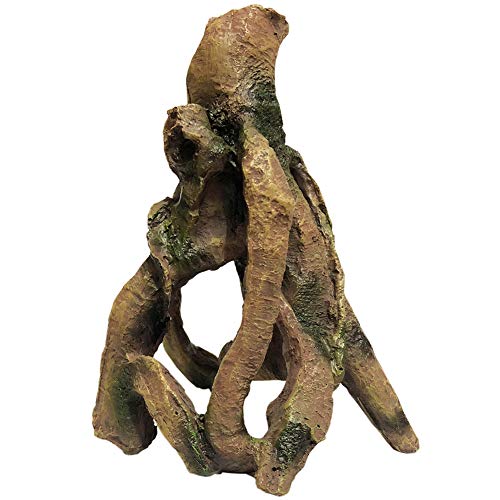
OFFER THE NATURAL ENVIRONMENT FEELING - Decoration that closely like true trunk in nature. Offers the natural environment feeling. Will be perfect addition for your fish to swim through or hide around.
Types Of Driftwood
- Bogwood: Dark in color and dense, bogwood offers a natural aesthetic. It’s less likely to float, making it a popular choice.
- Mangrove Wood: Recognized for its unique shapes and textures, mangrove wood adds visual interest. It often contains tannins that can affect water chemistry.
- Tamarind Wood: This wood is lightweight and has a striking appearance. It’s great for creating hiding spots for fish.
- Cholla Wood: Common in aquariums, cholla wood provides surface area for beneficial bacteria. It’s biodegradable and safe for aquatic life.
- Natural Habitat: Driftwood creates hiding spots and encourages natural behavior in fish. It mimics a fish’s natural environment, reducing stress.
- Water Quality Improvement: Driftwood releases tannins, which can help soften water and lower pH levels. This benefits certain species that thrive in acidic conditions.
- Biological Filtration: Driftwood supports beneficial bacteria growth, essential for maintaining a balanced aquarium. This bacteria helps break down waste.
- Aesthetic Appeal: Driftwood adds an organic element to your tank, enhancing visual interest. It complements other natural decorations, creating a cohesive look.
Preparing Driftwood For Baking
Preparing driftwood for baking involves cleaning and gathering the right tools. This process ensures your driftwood is safe and ready for your aquarium.
Cleaning The Driftwood
Start by rinsing the driftwood under running water. This step removes dirt, debris, and any surface contaminants. Use a soft brush, such as a toothbrush, to scrub stubborn spots. Soaking the driftwood in a bucket of water for several hours helps soften any remaining dirt. If you notice any signs of pests or insects, a soak in a mixture of water and vinegar (1 part vinegar to 10 parts water) for 30 minutes can eliminate them. Rinse the wood thoroughly again before moving on.
Tools And Materials Needed
You’ll need specific tools and materials to prepare your driftwood. Gather these items:
- Soft brush: For scrubbing away dirt.
- Bucket: For soaking the driftwood.
- Vinegar: For pest treatment.
- Water: For rinsing and soaking.
- Oven: To bake the driftwood.
- Baking tray: To hold the driftwood during baking.
- Thermometer: To monitor the temperature.
With the right tools and a clean piece of driftwood, you’re ready for the next steps in preparing your aquarium decoration.
The Baking Process
Baking driftwood effectively sterilizes it, eliminating harmful organisms and ensuring a safe environment for your aquarium. Follow these steps for a successful baking process.

3 Pack Of Zoo Med Betta Mopani Wood, Mimics Bettas' Natural Habitat.

[Aquascape Visual Depth] Engineered with realistic branching profiles and intricate bark textures that provide organic dimension, natural shadow, and visual complexity to planted aquatic setups and biotope displays.

Natural Botanical Tannin Source – Indian almond leaf powder is derived from Terminalia catappa leaves and provides natural tannins for freshwater aquariums. It helps create a botanical, blackwater-style environment commonly used by aquarists for bettas, killifish, shrimp, and other freshwater species.
Step-By-Step Instructions
- Preheat the Oven: Set your oven temperature to 200°F (93°C) for optimal sterilization.
- Prepare the Driftwood: Ensure the driftwood is clean and dry. Remove any leftover dirt or debris before baking.
- Place on a Baking Tray: Arrange the driftwood on a baking tray. Use aluminum foil or parchment paper to prevent sticking.
- Insert a Thermometer: Use an oven-safe thermometer to monitor the internal temperature of the wood, ensuring it doesn’t exceed 250°F (121°C).
- Bake for Two Hours: Allow the driftwood to bake for two hours. This duration effectively kills bacteria and pests.
- Cool Down: After baking, turn off the oven and let the driftwood cool inside. Avoid exposing it to rapid temperature changes.
Safety Precautions
Handle the driftwood carefully before and after baking to prevent injuries. Use oven mitts when removing the tray from the oven, as it can become extremely hot. Ensure proper ventilation in your kitchen during the baking process to dissipate any wood odors. Never leave the oven unattended while baking to avoid mishaps. Finally, keep pets and children away from the oven to ensure their safety.
Alternatives To Baking Driftwood
Baking isn’t the only method for preparing driftwood for your aquarium. Two effective alternatives are boiling and soaking. Each method has its own benefits and can ensure your driftwood is safe for aquatic environments.
Boiling Driftwood
Boiling driftwood disinfects it and helps remove toxins. This method works quickly and effectively. To do this, follow these steps:
- Gather Your Materials: You’ll need a large pot, water, and the driftwood.
- Fill the Pot: Add enough water to submerge the driftwood entirely.
- Bring to a Boil: Heat the water on a stove until it reaches a rolling boil.
- Add the Driftwood: Carefully place the driftwood into the boiling water.
- Boil Time: Allow it to boil for 1 to 2 hours, checking occasionally.
- Cool Down: After boiling, remove the driftwood and let it cool before placing it in your aquarium.
This method effectively kills bacteria and pests, ensuring a safer environment for your fish.
Soaking Driftwood
Soaking driftwood is another practical alternative, particularly for larger pieces where boiling isn’t feasible. This method gradually cleanses the driftwood without exposing it to high temperatures. Here’s how to do it:
- Prepare a Container: Choose a bucket or tub that can hold the driftwood and water.
- Fill with Water: Submerge the driftwood fully in fresh water or a vinegar solution for pest treatment.
- Soaking Duration: Allow it to soak for several days, changing the water daily to remove any leached tannins or impurities.
- Final Rinse: After soaking, rinse the driftwood thoroughly with fresh water before adding it to your aquarium.
Soaking removes unwanted substances while also helping to condition the driftwood for its new aquatic environment.
By exploring these alternatives, you can prepare driftwood without baking, offering your aquarium a natural touch while ensuring the safety of your aquatic life.
Conclusion
Preparing driftwood for your aquarium doesn’t have to be daunting. With the right techniques you can create a beautiful and safe environment for your aquatic friends. Whether you choose to bake boil or soak your driftwood each method has its own advantages and can effectively eliminate any unwanted pests or toxins.
Remember to take your time during the cleaning and preparation process. A little patience goes a long way in ensuring your driftwood is ready to enhance your aquarium’s aesthetics and provide a healthy habitat. Enjoy the journey of transforming your aquarium into a natural haven that both you and your fish will love!
Frequently Asked Questions
What is driftwood, and why is it used in aquariums?
Driftwood is wood that has been washed ashore, and it’s commonly used in aquariums to enhance aesthetics, provide hiding spots for fish, and improve water quality. It also promotes the growth of beneficial bacteria, which helps with biological filtration, creating a healthier environment for aquatic life.
How do I prepare driftwood for my aquarium?
To prepare driftwood, start by cleaning it thoroughly. Rinse it under running water, scrub with a soft brush, and soak it to remove dirt. Treat it with a vinegar solution for any pests, then rinse again. You can then bake, boil, or soak it further to sterilize the wood.
What are some effective methods for sterilizing driftwood?
Three popular methods to sterilize driftwood include baking, boiling, and soaking. Baking requires placing the driftwood in an oven at 200°F for 1-2 hours. Boiling involves submerging it in boiling water for 1-2 hours. Soaking uses fresh or vinegar water for several days, changing the water daily.
Can I use any type of wood as driftwood in my aquarium?
Not all wood is safe for aquariums. Use species like bogwood, mangrove wood, tamarind wood, or cholla wood, as these types are safe and beneficial. Avoid using treated or resinous woods, as they can leach harmful chemicals into the water.
How does driftwood affect water quality in an aquarium?
Driftwood can improve water quality by releasing tannins, which can lower pH and create a more natural environment for certain fish species. Additionally, it supports beneficial bacteria growth, enhancing biological filtration and helping maintain a balanced ecosystem in the aquarium.
