

Have you ever wondered how to create a thriving ecosystem in your aquarium? Growing algae might seem counterintuitive, but it can actually boost the health of your fish and plants. Algae serve as a natural food source and help maintain water quality, making your tank a vibrant habitat.
If you’ve struggled with maintaining balance in your aquarium, you’re not alone. Many aquarium enthusiasts face challenges with water parameters and fish health. This article will guide you through the simple steps to cultivate algae effectively, ensuring your aquarium thrives. You’ll learn how to harness the benefits of algae while keeping your tank clean and beautiful.
Key Takeaways
- Algae as a Beneficial Component: Growing algae in your aquarium can enhance water quality and provide a natural food source for herbivorous fish, contributing to a healthier ecosystem.
- Types of Algae: Familiarize yourself with different types of algae, including green, brown, red, and blue-green algae, each of which has distinct benefits and indicators of aquarium health.
- Ideal Growth Conditions: Ensure optimal conditions for algae growth by providing adequate light (10-12 hours), nutrients, and maintaining appropriate water temperature and flow.
- Essential Equipment: Invest in quality lighting, filters, heaters, and testing kits to create a suitable environment for algae while ensuring the overall health of your aquarium.
- Monitoring and Control: Regularly observe algae growth and adjust factors like lighting and nutrient levels to prevent overgrowth and maintain a balanced aquarium ecosystem.
- Incorporating Algae-Eaters: Introduce algae-eating species to your tank, such as snails or certain fish, to naturally control algae levels and promote a thriving aquatic habitat.

CONTROLS ALGAE GROWTH: Removes existing algae from aquarium water and controls the formation of new algae in your tank.

POWERFUL ALGAE REMOVER FOR FISH TANK: MICROBE-LIFT Algaway 5.4 delivers fast-acting aquarium algae control; It eliminates green water, hair algae, and string algae to improve water clarity and reduce odor; EPA Registered for safety and reliability

Understanding Algae in Aquariums
Growing algae in your aquarium can enhance the overall environment for your aquatic life. Algae plays a crucial role in maintaining water quality and can provide food for certain species.
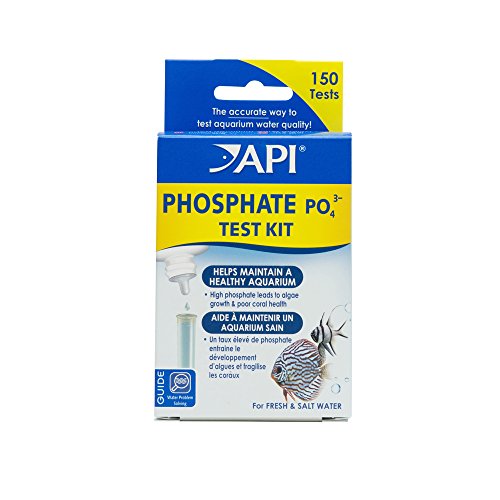
Contains one (1) API PHOSPHATE TEST KIT 150-Test Freshwater and Saltwater Aquarium Water Test Kit, including 2 bottles of testing solution, 2 color cards and 1 test tube with cap

Enhanced Clarity and Health: 254nm wavelength U-V Light treatment. hygger aquarium U-V light for green water and algae clean.Provide a safe environment for your fish.It is the best choice for freshwater and saltwater aquariums to clean water quality.

Complete, includes pump and light
Benefits of Algae Growth
- Natural Food Source: Algae serve as food for herbivorous fish and invertebrates. Consuming algae encourages healthy growth and vibrant colors in these species.
- Improves Water Quality: Through photosynthesis, algae absorb carbon dioxide and release oxygen. This process helps maintain oxygen levels in the water, creating a healthier habitat for fish.
- Provides Shelter: Algae can create hiding spots for small fish and fry, offering a safe environment for them to thrive.
- Competes with Harmful Algae: Cultivating beneficial algae can help minimize the growth of nuisance algae, preventing imbalances in your aquarium ecosystem.
- Green Algae: Commonly found in freshwater tanks, this type often appears as a green film on surfaces. It’s easily cultivated and provides food for fish.
- Brown Algae: Frequently seen in new aquariums, brown algae thrive in low-light conditions. This algae helps stabilize water conditions and can be cleaned off easily.
- Red Algae: Known for its decorative value, red algae can add color to your aquarium. It’s popular in marine settings and provides food for certain fish.
- Blue-Green Algae (Cyanobacteria): Appearing as a slimy layer, this type of algae can indicate poor water quality. While it can be problematic, it can also provide nutrients if managed correctly.
By understanding these aspects of algae, you can effectively harness its advantages while maintaining a balanced aquarium environment.
Setting Up Your Aquarium for Algae Growth
Setting up your aquarium for algae growth creates a balanced ecosystem. Proper conditions and equipment are essential to foster algae thrive.
Ideal Conditions for Algae
Algae flourishes under specific conditions. Focus on these key factors:
- Light: Select a light source with a spectrum favorable for photosynthesis. Use LED or fluorescent bulbs that mimic natural sunlight. Aim for 10-12 hours of light daily.
- Nutrients: Ensure sufficient nutrients like nitrates and phosphates. These promote growth. Consider using aquarium fertilizers but monitor levels to prevent excess.
- Water Temperature: Maintain a temperature between 70°F and 80°F. This range supports algae while keeping fish comfortable.
- Water Flow: Aim for moderate water movement. Use a filter with adjustable flow. Strong currents can hinder algae growth, while stagnant water may allow unwanted algae forms to thrive.
Choosing the Right Equipment
Selecting the appropriate equipment enhances your algae growth efforts. Consider these essential tools:
- Lighting: Invest in quality LED or fluorescent lights designed for aquariums. Adjustable fixtures allow you to control light intensity.
- Filter: Use a filter that suits your aquarium size. A sponge filter can foster beneficial algae while ensuring clean water.
- Heater: If your room temperature fluctuates, a heater helps maintain a consistent environment.
- Test Kits: Purchase test kits for measuring pH, nitrate, and phosphate levels. Regular testing allows you to adjust conditions effectively.
By establishing ideal conditions and using the right equipment, you’ll create a thriving environment for algae, enhancing your aquarium’s ecosystem.
Methods for Encouraging Algae Growth
To successfully grow algae in your aquarium, focus on key factors like lighting and nutrients. These elements significantly influence algae’s development and health.

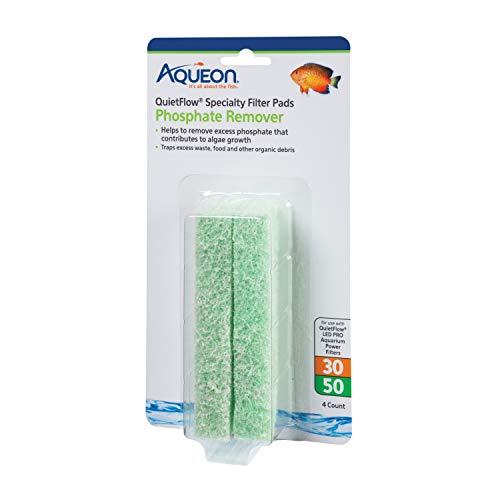
Premium 2-in-1 chemical and mechanical filter media designed specifically for the Fluval 107/207 and 106/206 High Perfmorance Canister Filters

Light Requirements
Algae thrive under specific lighting conditions. Use full-spectrum LED or fluorescent lights that replicate natural sunlight. Aim for 8 to 12 hours of light each day. This duration encourages photosynthesis, a process algae rely on for growth. Adjust the light intensity, making sure not to overexpose the aquarium, as too much light can lead to harmful algae blooms.
Nutrient Supply
Nutrients are crucial for algae growth. Maintain adequate levels of nitrates and phosphates, as they serve as food sources. Regularly test your water to ensure these nutrient levels remain balanced. Incorporate liquid fertilizers designed for freshwater aquariums, or add fish waste, which naturally contributes to nutrient levels. Monitor algae closely; if it overgrows, reduce nutrient input to keep your aquarium healthy.
Maintaining Healthy Algae Levels
Maintaining healthy algae levels ensures a balanced aquarium ecosystem. Careful monitoring and proactive management are crucial for optimal growth and preventing excess.
Monitoring Algae Growth
Regular observations help you gauge algae health. Look for clear signs, such as vibrant green patches or slower growth rates. Use a magnifying glass if needed to inspect closely. Additionally, check the presence of different algae types; green algae is generally favorable, while excessive brown or red can signal issues. You can use a ruler to measure growth over time, noting changes weekly.
Implementing aquatic test kits measures nutrient levels and water parameters, such as pH and nitrate concentration. Keep records to track changes and make adjustments as necessary.
Managing Overgrowth
Preventing algae overgrowth helps sustain a balanced aquarium. If algae growth becomes excessive, consider reducing lighting duration to 6 to 8 hours daily. Adjust your nutrient input; limit fertilizers and manage fish feeding to avoid overproduction of waste.
Incorporate algae-eating species, such as snails or certain fish, to naturally manage algae levels. Regular water changes help dilute excess nutrients enabling a balanced ecosystem. When necessary, manually remove overgrown algae using a scrubbing pad or algae scraper. Be consistent with these strategies to promote a healthy aquarium environment.
Conclusion
Growing algae in your aquarium can be a rewarding experience that benefits both your aquatic life and the overall ecosystem. By creating the right conditions and carefully monitoring your setup, you can enjoy the perks of a balanced environment.
Remember to strike a balance with lighting and nutrients to encourage healthy algae growth while preventing overgrowth. With a little patience and attention, you’ll find that algae can enhance the beauty and vitality of your aquarium. Embrace the journey and watch your underwater world thrive!
Frequently Asked Questions
What are the benefits of growing algae in an aquarium?
Growing algae offers numerous benefits, including serving as a natural food source for herbivorous fish and invertebrates, enhancing water quality through photosynthesis, providing shelter for small fish, and competing with harmful algae to maintain ecosystem balance.
How can I encourage algae growth in my aquarium?
To encourage algae growth, install full-spectrum LED or fluorescent lights for 8 to 12 hours daily, ensure a balanced supply of nutrients like nitrates and phosphates, and maintain water temperatures between 70°F and 80°F with moderate water flow.
What types of algae can I grow in my aquarium?
Common types of algae suitable for aquariums include green algae, brown algae, red algae, and blue-green algae. Each type has unique characteristics and specific benefits for your aquarium environment.
How do I set up my aquarium for optimal algae growth?
To set up your aquarium for optimal algae growth, select appropriate lighting, maintain proper nutrient levels, regulate water temperature, and ensure moderate water flow. Use quality LED or fluorescent lights and test kits to monitor water conditions.
How can I prevent harmful algae blooms?
Prevent harmful algae blooms by monitoring lighting duration, balancing nutrient levels, and avoiding overexposure to light. Incorporate algae-eating species and perform regular water changes to maintain a healthy ecosystem.
What equipment do I need to maintain my aquarium?
Essential equipment includes quality LED or fluorescent lights, suitable filters, heaters for temperature consistency, and test kits for monitoring water conditions. This equipment helps create and sustain a balanced aquarium environment.
